


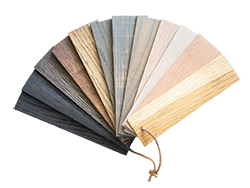


Bamboo flooring has become one of the most popular alternatives to traditional hardwood. It’s eco-friendly, stylish, affordable, and durable—making it a top choice for modern homes. However, not all bamboo floors are the same. When you start shopping, you’ll see three major types:
- Strand-woven bamboo
- Horizontal bamboo
- Vertical bamboo
Each one has unique advantages, appearance, and performance levels. In this guide, you’ll learn the differences so you can choose the best type of bamboo flooring for your home.
Why Choose Bamboo Flooring?
Before comparing the three types, it helps to understand why bamboo itself is so popular.
Key benefits of bamboo flooring:
- Eco-friendly: Bamboo grows back in just 3–5 years, making it far more renewable than hardwood.
- Durable: Some types of bamboo are harder than oak.
- Stylish: Available in light, natural, caramel, and even darker tones.
- Cost-effective: Typically cheaper than many hardwood options.
- Versatile: Works well in modern, contemporary, traditional, and minimalist interiors.
Now let’s go deeper into each type.
1. Strand-Woven Bamboo Flooring
What Is Strand-Woven Bamboo?
Strand-woven bamboo is produced by shredding bamboo fibers, mixing them with strong adhesives, and compressing them under high heat and pressure. This process creates an extremely dense material.
Appearance
- Smooth and uniform
- Less visible bamboo “nodes”
- Usually available in darker or richer tones
- Ideal for modern or high-end designs
Advantages
1. Highest Durability
Strand-woven bamboo is one of the hardest flooring materials available. It’s even harder than most hardwoods and is perfect for:
- High-traffic areas
- Families with kids
- Homes with pets
- Commercial spaces
2. Strong Scratch Resistance
The density of strand-woven bamboo helps protect against scratches and dents.
3. Long Lifespan
With proper care, strand-woven bamboo flooring can last 20–30 years.
4. Installation Flexibility
You can install it as:
- Floating floors
- Glue-down
- Nail-down
Disadvantages
- Usually more expensive than other bamboo types
- Harder to cut due to density
- Lower-quality brands may use cheaper adhesives
Best For
Homeowners who want the strongest and most durable flooring option.
2. Horizontal Bamboo Flooring
What Is Horizontal Bamboo?
Horizontal bamboo is made by laying bamboo strips side-by-side horizontally. This method preserves the natural bamboo look, including the iconic “knuckles” (nodes).
Appearance
- Very natural aesthetic
- Visible bamboo nodes
- Warm, light-toned look
- Perfect for relaxed, organic, or nature-inspired interiors
Advantages
1. Authentic Bamboo Look
If you want flooring that clearly looks like bamboo, horizontal bamboo is the top choice.
2. Budget-Friendly
Typically cheaper than strand-woven bamboo while still offering good performance.
3. Lightweight and Easy to Install
Easier to cut and handle, making it suitable for DIY installers.
Disadvantages
- Softer than strand-woven bamboo
- More prone to dents
- Shows signs of wear faster in busy areas
Best For
Homeowners who want an authentic bamboo look and an affordable price.
3. Vertical Bamboo Flooring
What Is Vertical Bamboo?
Vertical bamboo is created by arranging bamboo strips vertically (side-by-side in an upright position). This creates a tighter, cleaner, and more uniform grain pattern.
Appearance
- Subtle grain
- Minimalist look
- Fewer visible nodes
- Works well with contemporary interior design
Advantages
1. Clean, Modern Appearance
Perfect for minimalists who prefer subtle patterns rather than bold bamboo nodes.
2. Better Stability
The vertical structure increases stability and resistance to warping.
3. Improved Scratch Resistance
Slightly harder than horizontal bamboo due to vertical fiber alignment.
Disadvantages
- Still not as hard as strand-woven
- Fewer color options
- Less “bamboo-like” appearance
Best For
Homeowners who want clean lines and modern design, but still want bamboo flooring.
Strand-Woven vs Horizontal vs Vertical: Key Differences
Here are the main distinctions explained in clear text:
1. Durability
- Strand-woven is the hardest and most durable.
- Vertical is moderately durable.
- Horizontal is the softest and more likely to dent.
2. Appearance
- Horizontal looks the most natural with visible bamboo nodes.
- Vertical looks clean and subtle with tight grain lines.
- Strand-woven looks more uniform and modern.
3. Scratch Resistance
- Best: Strand-woven
- Moderate: Vertical
- Lower: Horizontal
4. Cost
- Strand-woven is usually the most expensive.
- Horizontal is the most affordable.
- Vertical is mid-range.
5. Installation
- Horizontal and vertical bamboo are easier to install.
- Strand-woven requires stronger tools due to its density.
Which Bamboo Flooring Type Should You Choose?
Here’s how to choose the right option based on your needs:
Choose Strand-Woven If:
- You want the strongest and longest-lasting flooring.
- You have high foot traffic.
- You have pets or children.
- You want excellent scratch resistance.
Choose Horizontal Bamboo If:
- You love the natural bamboo look.
- You want the most affordable option.
- Your rooms have low to medium traffic.
- You’re creating a warm, nature-inspired design.
Choose Vertical Bamboo If:
- You want a minimalist and elegant grain pattern.
- You want something slightly stronger than horizontal.
- You prefer a subtle, modern aesthetic.
Other Important Factors When Choosing Bamboo Flooring
1. Climate and Humidity
Bamboo reacts to moisture. If you live in a humid area, ensure:
- Proper acclimation before installation
- A good moisture barrier
- Preferably choosing strand-woven for better stability
2. Finish Quality
Look for:
- UV-cured coatings
- Aluminum oxide finishes
- Low-VOC products
These improve durability and indoor air quality.
3. Installation Method
Depending on your subfloor, choose:
- Floating floor for DIY ease
- Glue-down for maximum stability
- Nail-down for wooden subfloors
4. Eco-Certifications
For environmentally responsible flooring, check for:
- FSC Certification
- CARB Phase 2 compliance
- Low-VOC adhesive ratings
Final Recommendation
Which bamboo flooring type is “best” depends on your priorities:
Best Durability:
Strand-woven bamboo — unmatched long-term performance.
Best Natural Look:
Horizontal bamboo — displays the classic bamboo style.
Best Modern Appearance:
Vertical bamboo — offers smooth, clean lines.
No matter which type you choose, bamboo flooring offers a stylish, sustainable, and long-lasting solution for today’s homes.
 Hybrid Flooring
 Timber Flooring
 Laminate Flooring
 Cork Flooring
 Carpet Tiles