


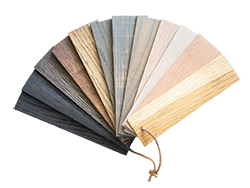


For years, light and airy flooring dominated interior design magazines, real estate listings, and newly renovated homes. Blonde woods, whitewashed planks, and soft gray tones seemed to fit perfectly with the minimalist, Scandinavian-inspired trends that swept through design culture. But design preferences evolve, and today a different look is reclaiming its place in modern interiors: bold dark floors.
Ebony, espresso, and charcoal-toned flooring are surging back into popularity. Homeowners, designers, and builders are rediscovering the dramatic impact that deep hues can bring to a space—elegance, depth, warmth, and sophistication that lighter floors simply cannot replicate. This comeback is not just a nostalgic nod to past aesthetics; it’s a calculated and stylish shift toward bold, high-contrast interiors that feel modern, intentional, and luxurious.
In this article, we explore why dark floors are trending again, the materials and finishes driving this resurgence, how to style them effectively, and what homeowners should consider when choosing these rich, dimensional tones for their spaces.
The Return of Depth and Drama
One of the biggest reasons dark floors are resurging is the renewed appreciation for interiors with dramatic contrast. For nearly a decade, design has been dominated by pale woods, soft whites, and cool neutrals. Many homeowners are now gravitating toward richer and more expressive aesthetics.
Dark flooring creates instant visual impact—it serves as a bold foundation that anchors a room. Whether it’s a deep espresso oak, a sleek charcoal tile, or an elegant ebony-stained hardwood, these deeper tones frame the space with a sense of definition. They also work beautifully with a wide variety of palette choices, from crisp whites to earthy neutrals to vibrant jewel tones.
Designers often describe dark floors as “timeless statement pieces.” While light woods can feel casual or minimal, dark floors radiate sophistication. They provide a luxurious backdrop for everything from modern furniture to traditional décor, contributing to that curated, high-end ambiance many homeowners seek.
Why Homeowners Are Choosing Darker Tones
1. Warmth and Richness
Dark floors instantly warm up a room. They bring out the natural grain of wood, enhance texture, and make a space feel more intimate and inviting. In open-concept homes, they provide cohesion and help define separate areas without the need for walls or dividers.
2. Flexibility in Design
Contrary to popular belief, dark floors are surprisingly versatile. They pair beautifully with contemporary, modern farmhouse, industrial, traditional, and transitional styles. Rich espresso tones complement natural materials, while black and charcoal floors enhance minimalist aesthetics—creating contrast that makes furniture and décor pop.
3. Luxury Appeal
Deep hues have long been associated with classic luxury and upscale living. With more homeowners seeking ways to elevate their interiors without costly renovations, updating flooring with a dark tone offers an immediate sense of refinement.
4. A Trend Driven by Social Media
Platforms like Instagram, TikTok, and Pinterest have played a major role in the resurgence of dark flooring. Influencers and interior designers showcase bold, contrasting interiors with black-framed windows, moody feature walls, and dark-toned flooring—a sharp departure from the all-white interiors of the last decade.
The Most Popular Dark Flooring Shades
Ebony
Ebony floors are the deepest of dark tones—nearly black, often with a subtle mahogany or espresso undertone depending on the wood species. They create a stunning, modern look, especially in large, naturally lit spaces. Ebony flooring can be achieved with stains on true hardwood or replicated through high-quality laminates and vinyl planks.
Espresso
Espresso is a warm, chocolate-brown tone that strikes a perfect balance between dramatic and cozy. It’s less stark than ebony and offers a blend of contemporary edge and classic warmth. This makes it an excellent choice for homes that blend modern and traditional design elements.
Charcoal
Charcoal floors are trending for their soft, smoky appeal. They work particularly well in modern and industrial-style homes, offering a cooler tone that pairs beautifully with concrete, metal, black fixtures, and minimalist décor. Charcoal hues are available across a variety of materials, from hardwood to engineered flooring to tile.
Materials Driving the Dark-Floor Trend
Hardwood
Hardwood flooring is still the gold standard for achieving rich, dark tones. Oak, walnut, and maple can all be stained in deep hues like ebony or espresso. Advances in staining and finishing techniques also make dark hardwood more durable and less prone to showing scratches than earlier generations of finishes.
Engineered Wood
Engineered wood is a popular alternative for homeowners who want the beauty of real wood with added stability. Many engineered lines now feature factory-finished ebony, espresso, or charcoal tones that deliver consistent color and superior wear resistance.
Luxury Vinyl Plank (LVP)
LVP has exploded in popularity due to its affordability, water resistance, and realistic wood-like appearance. Dark-colored LVP floors mimic the grain and depth of hardwood while offering easier maintenance and installation.
Laminate
Laminate flooring technology has come a long way, with high-definition textures and matte finishes that closely resemble hardwood. For budget-conscious homeowners, dark laminate provides a dramatic look without the cost of genuine wood.
Tile
Porcelain and ceramic tiles in charcoal or near-black tones remain a favorite for bathrooms, kitchens, and high-moisture areas. Large-format tiles and matte finishes add to the contemporary appeal.
How to Style Dark Floors Successfully
While dark flooring is stunning, it must be balanced thoughtfully within a space. Here are key design strategies:
1. Use Contrast Wisely
Dark floors shine brightest when paired with lighter walls, white trim, or neutral furniture. This prevents rooms from feeling too heavy and keeps the space bright and inviting.
2. Embrace Natural Light
Large windows, reflective surfaces, and strategic lighting help bring out the richness of dark flooring. Layered lighting—overhead fixtures, floor lamps, wall sconces—also enhances depth and dimension.
3. Layer Textures
Rugs, soft textiles, wood furniture, and metallic accents all help break up the solid look of dark floors and create a more dynamic environment. Light-colored or patterned rugs provide contrast without overpowering the space.
4. Choose the Right Sheen
Matte and satin finishes work best for dark floors because they minimize visible dust and scratches. High gloss can be stunning in controlled environments but is less practical for busy households.
5. Keep Décor Balanced
Dark floors look best in rooms that maintain a clean design with well-chosen furniture. Avoid overly dark furniture unless it is balanced with lighter fabrics or wall colors.
Practical Considerations for Homeowners
Dark floors are gorgeous, but there are a few considerations worth noting:
1. Maintenance
Dark floors can highlight dust and pet hair more easily than lighter floors. Regular sweeping or vacuuming helps maintain their polished appearance.
2. Space Perception
While dark floors add depth, they may make very small or poorly lit rooms feel smaller. The solution is simple: pair them with bright walls, airy décor, and strategic lighting.
3. Durability and Finish
Choosing high-quality materials and scratch-resistant finishes is important, especially in homes with pets or heavy foot traffic.
The Verdict: A Modern Classic Returns
Dark flooring isn’t just a passing trend—it’s a revival of a classic design element reimagined for modern homes. Ebony, espresso, and charcoal floors offer a timeless yet contemporary aesthetic that blends drama with warmth, luxury with comfort, and sophistication with practicality. As homeowners increasingly seek bold design choices that stand out from the minimalist trends of the past decade, dark floors provide the perfect opportunity to make a statement underfoot.
Whether in a traditional home, a sleek urban apartment, or a modern family residence in Melbourne, deep-toned floors continue to rise in popularity—and with the variety of materials, finishes, and styling options available today, they’re more accessible than ever.
 Hybrid Flooring
 Timber Flooring
 Laminate Flooring
 Cork Flooring
 Carpet Tiles