


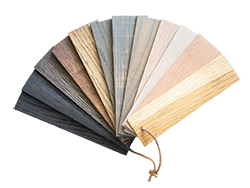


Engineered wood floorboards are a popular choice for homeowners seeking the timeless beauty of wood combined with modern durability. Unlike solid wood floorboards, engineered wood flooring is crafted to withstand changes in humidity and temperature, making it ideal for areas prone to moisture or temperature fluctuations. In this blog, we will explore installation techniques, tips, and considerations to ensure your wooden floors look stunning and last for years.
Understanding Engineered Wood Flooring
Engineered wood flooring consists of a top layer of real wood veneer over multiple layers of plywood or high density fiberboard. This construction provides the aesthetic of natural wood floorboards while offering increased stability compared to traditional solid wood.
One major advantage of engineered wood floorboards is their versatility. They can be installed in areas where solid wood might not perform well, including basements and spaces with underfloor heating.

Types of Wood Floorboards
When choosing your floorboards, there are several options to consider:
- Solid wood floorboards: Made entirely from natural wood, these boards are durable and can be sanded and refinished multiple times. They are perfect for traditional installations but may expand or contract in humid environments.
- Natural wood floorboards: These are either solid or engineered boards that preserve the natural grain and color of wood, providing a warm and authentic appearance.
- Reclaimed wood floorboards: Salvaged from old buildings, reclaimed wood floorboards offer unique character, sustainability, and a story in every plank. They are often chosen for eco conscious projects or rustic aesthetics.
- Engineered wood flooring: Combining the best of natural wood and stability, engineered wood floorboards are suitable for modern homes with diverse environmental conditions.
Installation Techniques for Engineered Wood Floorboards
Proper fitting is crucial to the longevity and appearance of engineered wood floorboards. Below are common installation techniques:
-
Floating Installation
Floating engineered wood flooring is installed over an underlay without being nailed or glued to the subfloor. The boards click together using a tongue and groove system. This method is quick, allows the floor to expand and contract naturally, and is ideal for DIY enthusiasts.
-
Glue-Down Installation
In this method, engineered wood floorboards are glued directly to the subfloor using high quality adhesives. Glue down fitting provides a solid feel underfoot and is often recommended for rooms with underfloor heating. When using engineered wood flooring and underfloor heating, ensure that the adhesive is compatible with heat systems to prevent warping.
-
Nail Down Installation
Nail down installation involves securing the boards to a wooden subfloor using nails or staples. This traditional method works well with thicker engineered wood floorboards and ensures a stable, long lasting surface.
-
Combination Methods
Some installers use a combination of glue and nails for added stability, especially in high traffic areas. Consulting a professional installer can help determine the best method for your specific project.
Tips for a Successful Fitting
- Acclimate the Boards: Before installation, leave the engineered wood floorboards in the room for several days to adjust to the humidity and temperature.
- Prepare the Subfloor: Ensure the surface is clean, level, and dry. Uneven surfaces can lead to squeaking or gaps over time.
- Use Quality Underlay: When floating the boards, a good underlay can reduce noise, provide insulation, and protect against moisture.
- Leave Expansion Gaps: Wood naturally expands and contracts, so leaving a small gap around the perimeter prevents buckling.
- Maintain Proper Humidity: Keep indoor humidity levels stable to minimize expansion and contraction of natural wood floorboards.
Engineered Wood Flooring and Underfloor Heating
One of the major benefits of engineered wood flooring is its compatibility with underfloor heating systems. Unlike solid wood, which can warp under fluctuating temperatures, engineered wood remains stable, making it a safe and effective choice for heated floors. However, it is crucial to follow manufacturer guidelines regarding maximum heat levels and installation techniques to ensure longevity.
Caring for Your Wooden Floorboards
Maintaining the beauty of your engineered wood floorboards requires regular care:
- Sweep or vacuum regularly to remove dirt and grit that can scratch the surface.
- Wipe spills immediately to prevent staining or water damage.
- Use protective pads under furniture to avoid dents and scratches.
- Periodically, you may consider professional wooden floorboard restoration to rejuvenate worn surfaces and maintain a polished appearance.
Choosing the Right Floorboard Supplier
When selecting your engineered wood floorboards, it’s essential to choose a reliable supplier. In Melbourne, engineered wood flooring Melbourne offers a wide range of premium products, including natural and reclaimed wood floorboards, ensuring that you find the perfect match for your home.
Final Thoughts
Engineered wood floorboards offer the perfect blend of style, durability, and versatility. Whether you prefer the charm of natural wood floorboards, the history of reclaimed wood, or the stability of engineered wood flooring, understanding the correct installation techniques and maintenance practices is key to long lasting results. From floating and glue down to nail down fitting, each method has unique advantages depending on your home environment.
Investing in quality floorboards and proper installation ensures that your floors will continue to enhance your living space for decades to come
 Hybrid Flooring
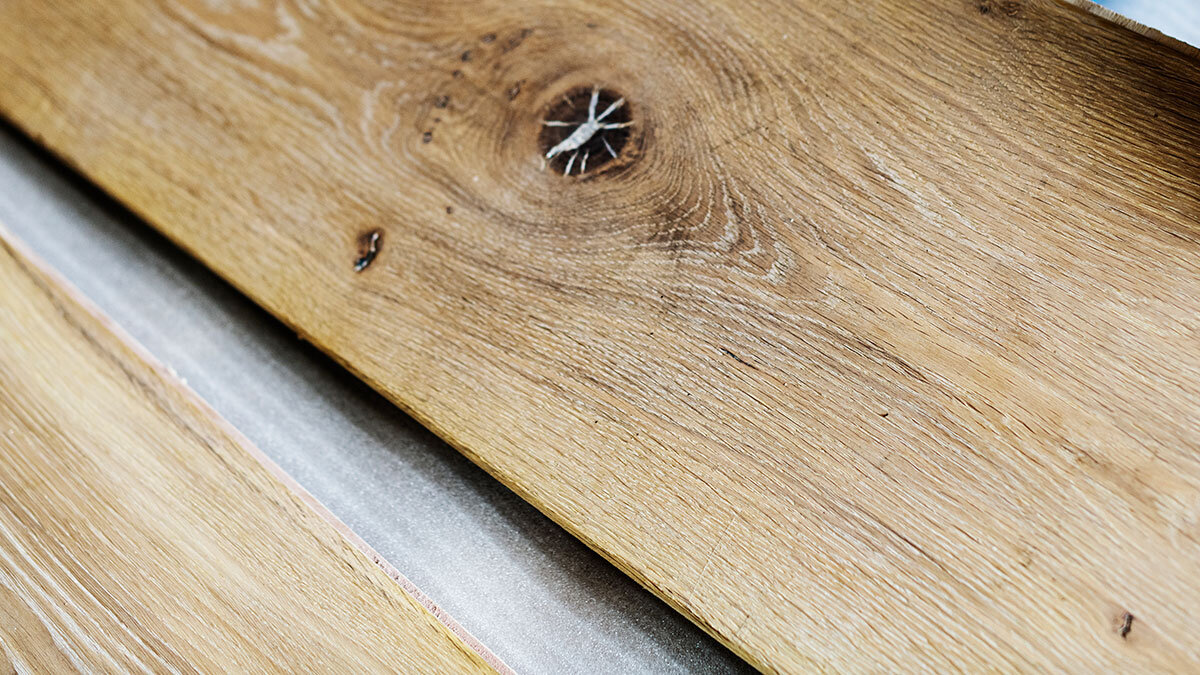 Timber Flooring
 Laminate Flooring
 Cork Flooring
 Carpet Tiles