


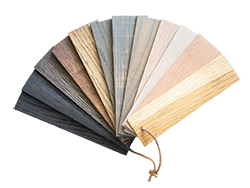


Renovating your home is exciting—but when it comes to flooring, small mistakes can turn into expensive, long-term problems. Floors aren’t just about looks; they affect comfort, durability, maintenance, and even the value of your home. Whether you’re installing timber, laminate, vinyl, or hybrid flooring, knowing what not to do can save you time, stress, and money.
If you’re planning a renovation or DIY flooring project, this guide walks you through the most common flooring installation mistakes—and how to avoid them—so your new floors look great and perform well for years to come.
1. Skipping Proper Subfloor Preparation
One of the biggest and most costly flooring mistakes is ignoring the condition of the subfloor. Your flooring is only as good as what’s underneath it.
Uneven, damp, or damaged subfloors can cause:
- Creaking or squeaking sounds
- Warping or buckling
- Gaps between boards
- Premature wear and damage
Before installing any flooring, the subfloor must be clean, dry, level, and structurally sound. Concrete should be moisture-tested, and timber subfloors should be checked for movement or rot. Rushing this step may save time upfront but often leads to repairs later.
Pro tip: If the subfloor isn’t right, fix it first—no flooring material can compensate for a poor foundation.
2. Choosing the Wrong Flooring for the Space
Not all flooring is suitable for every room. A common renovation mistake is selecting flooring based on appearance alone without considering moisture, foot traffic, or lifestyle needs.
Examples include:
- Solid timber in bathrooms or laundries
- Soft wood in high-traffic hallways
- Low-durability finishes in homes with pets
Each room has different demands. Kitchens and entryways need durable, moisture-resistant options, while bedrooms can accommodate softer or warmer materials.
Think long-term: Ask how the space is used daily, not just how you want it to look on installation day.

3. Ignoring Acclimatisation Requirements
Many flooring materials—especially timber and laminate—need time to acclimatise to your home’s temperature and humidity before installation.
Skipping this step can cause:
- Expansion or contraction after installation
- Warping or cupping
- Visible gaps between boards
Flooring should typically be stored flat in the installation room for 48–72 hours (or as recommended by the manufacturer). This allows the material to adjust to its new environment.
It’s a simple step, but missing it is a surprisingly common mistake that can undo an otherwise professional installation.
4. Incorrect Expansion Gaps
Floors naturally expand and contract with temperature and humidity changes. Failing to allow proper expansion gaps around walls, doorways, and fixed objects can cause serious issues.
Without enough space, flooring may:
- Buckle or lift
- Crack or separate
- Push against walls or cabinetry
These gaps are usually hidden by skirting boards or trims, so they don’t affect the finished look—but they’re essential for performance.
Bottom line: Expansion gaps are not optional. They are a structural requirement.
5. Poor Layout and Planning
Jumping straight into installation without planning the layout is another major mistake. Poor planning can lead to:
- Awkward narrow boards at walls
- Uneven patterns
- Misaligned planks between rooms
Before installing, professionals dry-lay boards to visualise spacing, alignment, and flow between spaces. This helps ensure the floor looks balanced and intentional rather than rushed.
Good planning also reduces waste and helps avoid last-minute material shortages.
6. Using the Wrong Installation Method
Different flooring types require different installation techniques—floating, glue-down, or nail-down—and using the wrong method can cause long-term damage.
Common issues include:
- Floors lifting due to poor adhesive choice
- Excessive movement in floating floors
- Damage to boards from incorrect nailing
Always follow manufacturer guidelines and use compatible underlays, adhesives, and fasteners. Cutting corners here can void warranties and lead to costly fixes.
7. DIY Overconfidence
DIY flooring can be tempting, especially with click-lock systems marketed as “easy to install.” While some homeowners succeed, many underestimate the skill required to achieve a professional result.
DIY mistakes often include:
- Uneven joins
- Damaged boards
- Poor edge finishing
- Incorrect cutting around obstacles
Fixing these errors later may require partial or full reinstallation—or even timber floor repair if boards are damaged beyond simple correction.
If you’re unsure, consulting or hiring a professional installer can actually save money in the long run.
8. Neglecting Moisture Protection
Moisture is one of the biggest enemies of flooring, particularly timber and laminate. Skipping moisture barriers or underlays can result in swelling, mould, and structural damage.
This is especially critical in:
- Ground-floor installations
- Homes with concrete slabs
- Coastal or humid climates
A proper moisture barrier protects both your flooring and subfloor, extending the life of your investment.
9. Rushing the Finishing Touches
After installation, it’s tempting to move furniture back immediately or start using the space right away. But rushing this stage can damage freshly installed floors.
Mistakes include:
- Walking on adhesive before it cures
- Dragging furniture without protection
- Skipping protective felt pads
Allow adequate curing time and use furniture glides or mats. These small steps preserve the finish and prevent early scratches or dents.
10. Forgetting Long-Term Maintenance
Flooring installation doesn’t end when the last board goes down. Failing to plan for maintenance is a mistake that shortens the life of your floor.
Each flooring type has specific care needs. For example, timber floors benefit from periodic refinishing, and services like floor buffing Melbourne can help restore shine and remove surface wear without a full sand.
Understanding maintenance requirements upfront helps you choose the right floor—and keep it looking great.
Final Thoughts
Flooring plays a huge role in how your home looks, feels, and functions. Most flooring problems don’t come from the material itself but from avoidable installation mistakes. By taking the time to prepare properly, choose the right materials, and follow best practices, you can avoid costly repairs and enjoy beautiful, long-lasting floors.
Whether you’re renovating a single room or your entire home, careful planning and informed decisions make all the difference. A well-installed floor doesn’t just enhance your space—it adds value, comfort, and peace of mind for years to come.
 Hybrid Flooring
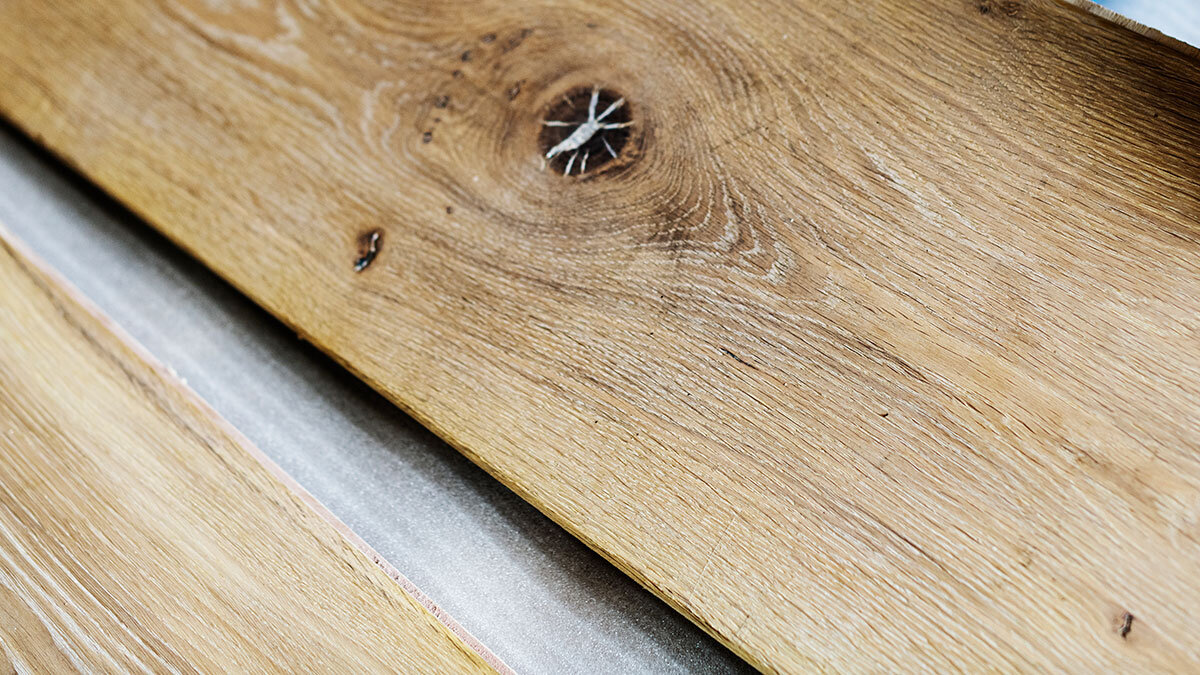 Timber Flooring
 Laminate Flooring
 Cork Flooring
 Carpet Tiles