





Choosing new flooring is an exciting part of any renovation or build, but it’s also one of the easiest areas to get wrong. Flooring covers a large portion of your home, affects daily comfort, and represents a long term investment. Unfortunately, many homeowners make costly flooring mistakes that lead to premature wear, poor appearance, and expensive replacements.
This guide covers the most common flooring mistakes people always make, why they happen, and how to avoid them. By understanding these errors before you choose or install flooring, you can save time, money, and frustration while achieving a better long term result.
1. Choosing Flooring Based on Looks Alone
One of the biggest mistakes people make is selecting flooring purely based on appearance. While style is important, flooring must also suit your lifestyle and the way the space is used.
Why this is a problem:
-
Beautiful floors may not be durable enough
-
High-maintenance materials wear quickly in busy homes
-
Moisture sensitive floors fail in wet areas
How to avoid it:
Always consider:
-
Foot traffic levels
-
Pets and children
-
Moisture exposure
-
Maintenance requirements
A flooring option that looks great in a showroom may not perform well in real life.
2. Ignoring Room Function and Usage
Different rooms have different demands, yet many homeowners use the same flooring everywhere without considering function.
Common examples:
-
Using timber in bathrooms
-
Installing carpet in high traffic areas
-
Choosing slippery tiles in wet zones
How to avoid it:
Match flooring to room purpose:
-
Waterproof flooring for kitchens and bathrooms
-
Durable surfaces for hallways and living areas
-
Comfortable options for bedrooms
Practical performance should always guide flooring selection.
3. Not Preparing the Subfloor Properly
Even the best flooring can fail if installed over an uneven or damaged subfloor.
Why subfloor prep matters:
-
Prevents movement and noise
-
Ensures a smooth finish
-
Extends flooring lifespan
Skipping subfloor preparation can lead to:
-
Gaps
-
Squeaking
-
Uneven wear
-
Warranty issues
How to avoid it:
Always inspect and level the subfloor before installation. Proper preparation may add to upfront cost but saves far more in the long run.
4. Choosing the Wrong Flooring for Moisture Prone Areas
Moisture is one of the biggest enemies of flooring. Many people underestimate how much water exposure occurs in everyday living.
Problem areas include:
-
Kitchens
-
Bathrooms
-
Laundries
-
Entryways
Common mistakes:
-
Using laminate without moisture protection
-
Installing solid timber in wet areas
-
Ignoring humidity changes
How to avoid it:
Choose flooring specifically designed for moisture prone environments and always follow manufacturer recommendations.
5. Overlooking Maintenance Requirements
Every flooring type requires some level of care, but homeowners often underestimate how much maintenance is involved.
Examples:
-
Timber floors needing regular refinishing
-
Glossy floors showing every mark
-
Carpet requiring frequent deep cleaning
How to avoid it:
Before choosing flooring, ask:
-
How often does it need cleaning?
-
What products are required?
-
Can damage be repaired easily?
Low-maintenance flooring is often the better long term choice for busy households.
6. Using Too Many Flooring Types
Mixing multiple flooring styles can make a home feel disjointed and cluttered.
Why this is an issue:
-
Breaks visual flow
-
Makes spaces feel smaller
-
Dates the interior
How to avoid it:
Limit flooring types to:
-
One main flooring across living areas
-
One or two additional types for specific rooms
Consistency creates a more cohesive and modern look.

7. Following Trends Without Considering Longevity
Trendy flooring can look appealing now but may feel outdated quickly.
Risky trends include:
-
Bold colors
-
Strong patterns
-
High gloss finishes
How to avoid it:
Choose timeless foundations:
-
Neutral colors
-
Natural textures
-
Simple layouts
Trends can be introduced through décor rather than permanent elements like flooring.
8. Choosing the Cheapest Option Available
Budget is important, but choosing the cheapest flooring often leads to higher costs over time.
Common issues with low cost flooring:
-
Poor durability
-
Short lifespan
-
Limited warranties
How to avoid it:
Focus on value rather than price:
-
Compare warranties
-
Assess durability
-
Consider long term replacement costs
Mid-range flooring often offers the best balance of quality and affordability.
9. Poor Installation or DIY Mistakes
Even high quality flooring can fail if installed incorrectly.
Common installation mistakes:
-
Incorrect expansion gaps
-
Wrong adhesive or underlay
-
Rushing installation
How to avoid it:
Use experienced installers or follow manufacturer instructions precisely. Flooring installation is not an area where shortcuts pay off.
10. Ignoring Acclimatization Requirements
Many flooring materials need time to adjust to indoor conditions before installation.
What can go wrong:
-
Expansion or contraction
-
Gaps between boards
-
Warping
How to avoid it:
Allow flooring to acclimatize for the recommended time before installation, especially with timber based products.
11. Forgetting About Sound and Comfort
Flooring affects how a home sounds and feels underfoot.
Common issues:
-
Noisy footsteps
-
Echo in open plan areas
-
Cold or hard surfaces
How to avoid it:
-
Use appropriate underlay
-
Consider softer flooring in bedrooms
-
Choose textured or cushioned options where comfort matters
Comfort is just as important as appearance.
12. Not Planning for Future Needs
Many homeowners choose flooring for their current lifestyle without thinking ahead.
Examples:
-
Young families becoming pet owners
-
Homes being converted to rentals
-
Long term aging considerations
How to avoid it:
Choose flooring that adapts to future needs, not just present preferences.
13. Skipping Warranty and Product Research
Failing to review product warranties and specifications can lead to disappointment.
Risks:
-
Voided warranties
-
Unsuitable installation methods
-
Unexpected limitations
How to avoid it:
Always review:
-
Manufacturer warranties
-
Installation guidelines
-
Maintenance requirements
Knowledge protects your investment.
How to Make Better Flooring Decisions
To avoid common flooring mistakes:
-
Match flooring to lifestyle and room use
-
Invest in proper subfloor preparation
-
Priorities durability and maintenance
-
Choose timeless designs
-
Use professional installation
These steps dramatically reduce the risk of costly errors.
Final Thoughts: Avoiding Flooring Regret
Flooring mistakes can be expensive and frustrating, but most are preventable with proper planning and informed decisions. By understanding how flooring performs in real world conditions not just how it looks you can choose materials that last, function well, and enhance your home’s overall appeal.
Avoid shortcuts, think long term, and treat flooring as a foundational investment rather than a quick design choice. The result will be floors that look good, perform well, and stand the test of time.
 Hybrid Flooring
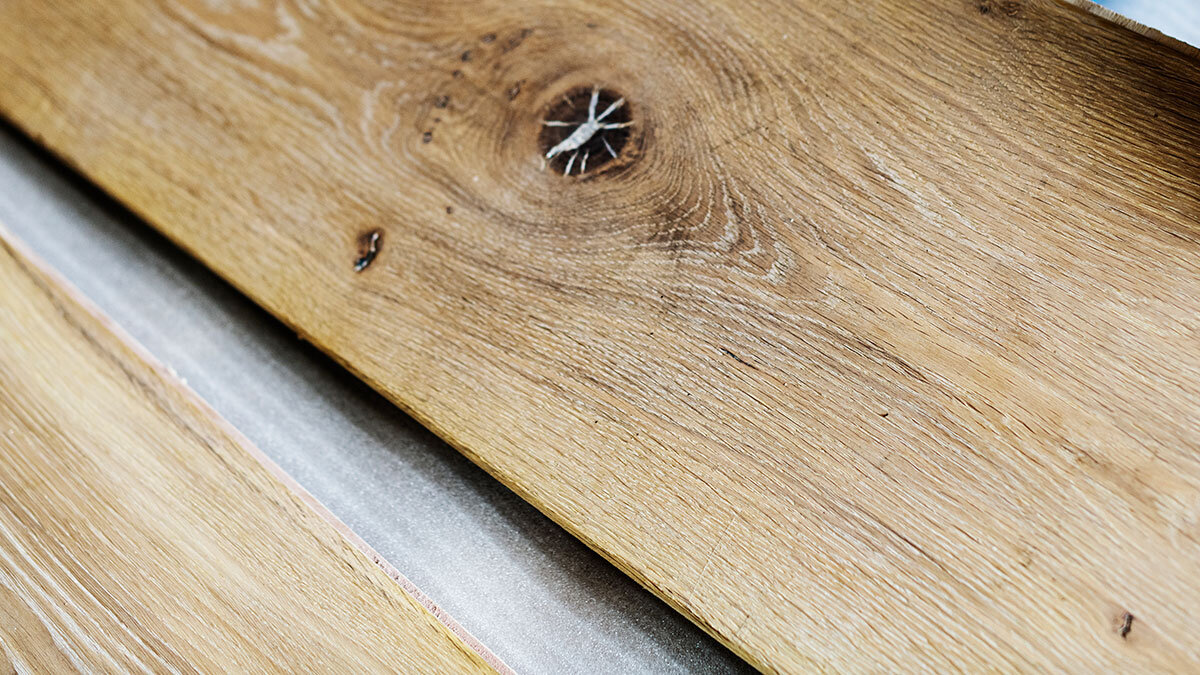 Timber Flooring
 Laminate Flooring
 Cork Flooring
 Carpet Tiles