


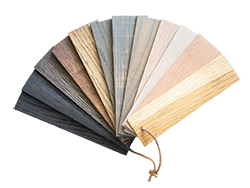


Choosing the right flooring for your home is one of the most important decisions you’ll make during a build or renovation. Flooring doesn’t just affect how your home looks — it also impacts comfort, durability, maintenance, and even property value. What works beautifully in one room may be completely impractical in another.
Every room in your home has a different purpose, level of foot traffic, and exposure to moisture. That’s why a “one-size-fits-all” approach rarely works when it comes to flooring. In this guide, we’ll walk you through the best flooring options for every room and explain why they work best, helping you make a confident and informed choice.
Living Room Flooring: Style Meets Comfort
The living room is where families relax, entertain guests, and spend a lot of time together. Flooring here should balance comfort, durability, and style.
Best options for living rooms:
- Timber flooring
- Engineered timber
- Hybrid flooring
- High-quality laminate
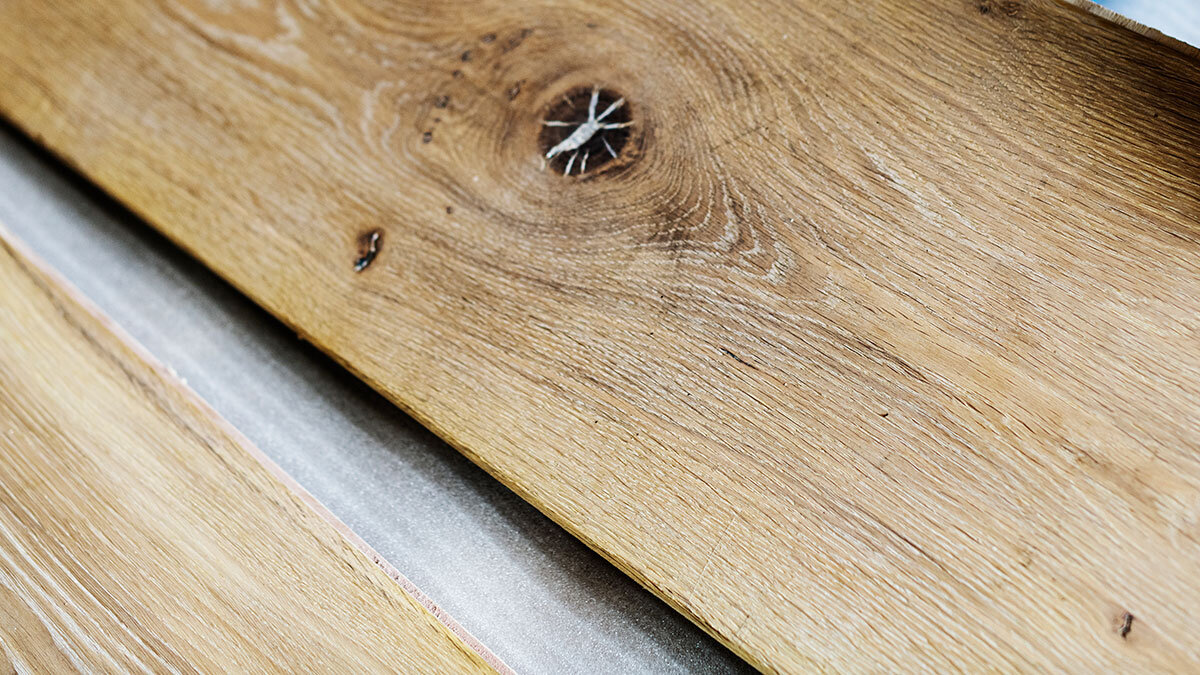
Timber flooring remains a top choice for living rooms thanks to its natural warmth and timeless appeal. It adds value to your home and pairs beautifully with most interior styles, from modern to classic. Engineered timber offers a similar look but with better resistance to temperature changes, which is ideal for Melbourne homes.
Hybrid flooring is another popular option, combining the look of timber with enhanced durability and water resistance. It’s perfect for busy households with kids or pets. Laminate flooring is a budget-friendly alternative that still offers a stylish finish and easy maintenance.
Why it works: Living rooms benefit from flooring that feels welcoming underfoot while standing up to daily use.
Kitchen Flooring: Practical and Hard-Wearing
Kitchens are high-traffic areas exposed to spills, moisture, and constant movement. Flooring here needs to be tough, water-resistant, and easy to clean.
Best options for kitchens:
- Hybrid flooring
- Vinyl flooring
- Porcelain or ceramic tiles
Hybrid flooring is one of the best choices for kitchens because it’s waterproof, scratch-resistant, and stylish. Vinyl flooring is also highly popular due to its comfort underfoot and excellent moisture resistance. Modern vinyl designs can closely mimic timber or stone without the maintenance.
Tiles remain a classic kitchen option, especially for contemporary homes. They are extremely durable and easy to clean, although they can feel cold underfoot without rugs or underfloor heating.
Why it works: Kitchen flooring must handle mess, moisture, and movement without losing its appearance.
Bedroom Flooring: Warm, Quiet, and Comfortable
Bedrooms are private, low-traffic spaces where comfort is the priority. Flooring should feel warm, quiet, and relaxing.
Best options for bedrooms:
- Carpet
- Engineered timber
- Laminate flooring
Carpet is still the most popular bedroom flooring choice due to its softness, warmth, and sound-absorbing qualities. It creates a cosy atmosphere and is ideal for colder mornings. For homeowners who prefer a sleek look, engineered timber or laminate flooring paired with rugs can be a great alternative.
Laminate is easy to maintain and works well in guest bedrooms or rental properties, offering durability without high costs.
Why it works: Bedrooms benefit from flooring that promotes rest and comfort rather than heavy durability.
Bathroom Flooring: Water Resistance Is Key
Bathrooms are exposed to high levels of moisture, humidity, and temperature changes. Flooring here must be completely water-resistant and safe underfoot.
Best options for bathrooms:
- Porcelain tiles
- Ceramic tiles
- Waterproof vinyl
Tiles are the most reliable bathroom flooring option. They are waterproof, durable, and available in countless designs. Slip-resistant finishes are recommended for safety, especially in family homes.
Waterproof vinyl flooring is becoming more common in bathrooms due to its softer feel and modern designs. It’s important that installation is done correctly to prevent water seepage.
Why it works: Bathrooms demand flooring that won’t warp, swell, or become slippery when wet.
Dining Room Flooring: Stylish and Spill-Friendly
Dining rooms often sit between living areas and kitchens, meaning they experience moderate foot traffic and occasional spills.
Best options for dining rooms:
- Timber flooring
- Hybrid flooring
- Laminate flooring
Timber flooring creates a sophisticated look that suits formal dining spaces. However, hybrid or laminate flooring may be more practical for families, as they offer better resistance to scratches and spills while still looking elegant.
Why it works: Dining room flooring needs to handle chairs, foot traffic, and the occasional dropped glass without stress.
Hallways and Entryways: Built for Traffic
Hallways and entryways are some of the most used areas in any home. These spaces require flooring that can handle constant foot traffic and dirt from outside.
Best options for hallways:
- Hybrid flooring
- Tiles
- Laminate flooring
Hybrid flooring is an excellent choice here due to its durability and ease of cleaning. Tiles are also highly practical for entryways, especially in Melbourne homes where wet weather can track moisture indoors. Laminate works well in hallways if it’s high quality and properly installed.
Why it works: High-traffic areas need flooring that looks good even after years of use.
Home Office Flooring: Comfort and Professional Style
With more people working from home, the home office has become an essential space. Flooring should be comfortable, quiet, and professional.
Best options for home offices:
- Carpet tiles
- Laminate flooring
- Engineered timber
Carpet tiles are practical and easy to replace if damaged. Laminate and engineered timber create a clean, professional look while remaining easy to maintain. Adding a floor mat under office chairs can help protect the surface.
Why it works: Home offices benefit from flooring that supports productivity and comfort.
Laundry Flooring: Tough and Moisture-Resistant
Laundry rooms face moisture, heavy appliances, and cleaning products. Flooring needs to be durable and waterproof.
Best options for laundries:
- Tiles
- Vinyl flooring
Tiles are the most common choice for laundries due to their water resistance and strength. Vinyl flooring is a softer, quieter alternative that still performs well in wet environments.
Why it works: Laundry flooring must withstand water and weight without damage.
Choosing the Right Flooring for Your Home
When selecting flooring, it’s important to think beyond appearance. Consider how each room is used, who uses it, and how much maintenance you’re comfortable with. Melbourne’s climate can also influence flooring performance, especially in areas exposed to moisture or temperature changes.
If your existing floors are worn, damaged, or uneven, addressing issues early can save money long-term. Professional floor repairs Melbourne homeowners rely on can restore safety and appearance before new flooring is installed.
Working with experienced flooring services ensures proper advice, quality materials, and correct installation. A skilled flooring contractor can guide you through product selection, preparation, and long-term care, helping you avoid costly mistakes.
Final Thoughts
The best flooring choice isn’t about trends — it’s about functionality, comfort, and suitability for each room. By selecting the right flooring for the right space, you’ll enjoy a home that looks great, feels comfortable, and lasts for years.
Whether you’re renovating a single room or upgrading your entire home, understanding your options makes all the difference. Take the time to plan, ask questions, and choose flooring that truly fits your lifestyle.
 Hybrid Flooring
 Timber Flooring
 Laminate Flooring
 Cork Flooring
 Carpet Tiles