


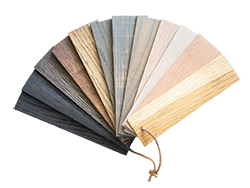


Wood flooring patterns have become one of the strongest interior design statements in modern homes. While classic straight planks remain popular, patterned floors—especially herringbone and chevron—are making a major comeback. These two geometric designs add sophistication, movement, and style to any space, but homeowners often confuse them. Although they may look similar at first glance, herringbone and chevron floors differ significantly in terms of installation, aesthetic effect, and cost.
If you’re redesigning your home or building a new one, understanding the differences between these two patterns will help you choose the perfect style. In this guide, we’ll break down everything you need to know about herringbone vs chevron wood floors, including how they’re installed, their pros and cons, design impact, and which option suits different rooms and lifestyles.
What Is Herringbone Flooring?
Herringbone is one of the oldest and most iconic flooring patterns. Its name comes from the resemblance to the skeletal structure of a herring fish.
How It’s Installed
- Planks are cut in rectangular shapes.
- Each board is laid at a 90-degree angle to the next.
- The ends of the boards overlap, creating a distinctive broken-zigzag effect.
This pattern has been used for centuries in stately homes, castles, and luxury European buildings, giving it a sense of heritage and elegance.
Aesthetic Characteristics
- Creates a classic, timeless look.
- Offers a sense of movement, but with a softer, more organic feel.
- Works beautifully with both traditional and contemporary interiors.
- Can visually expand or elongate a room depending on the direction of installation.
Because of its understated sophistication, herringbone is extremely popular in high-end renovations and stylish apartments, from period homes to modern spaces.
What Is Chevron Flooring?
Chevron flooring features a sharper, more modern take on geometric wood layouts. Although often mistaken for herringbone, chevron creates a completely different visual pattern.
How It’s Installed
- Planks are cut at a perfect angle, typically 45° or 60°.
- The ends of the boards meet in a clean, precise point.
- This creates a continuous V-shape, forming a striking zigzag pattern.
Chevron flooring originated in French palaces and has remained a symbol of luxury and refinement.
Aesthetic Characteristics
- Creates a clean, symmetrical, visually striking pattern.
- Feels more modern, sleek, and directional compared to herringbone.
- Adds a sense of flow, as the pattern creates a seamless line across the room.
- Excellent for contemporary interiors and minimalist spaces.
Chevron is bold, dynamic, and attention-grabbing—ideal for homeowners looking for an eye-catching design.
Key Differences Between Herringbone and Chevron
Although both patterns use short planks and create a zigzag effect, the differences between them are quite distinct.
1. Shape of the Planks
- Herringbone: Rectangular planks with square ends
- Chevron: Planks cut at an angle (45° or 60°)
2. Installation Method
- Herringbone: Planks overlap to form a broken zigzag
- Chevron: Angled planks meet to form perfect points
3. Visual Impact
- Herringbone: Softer, more classic, less directional
- Chevron: Sharper, more modern, more symmetrical and fluid
4. Cost and Complexity
- Herringbone: Simpler than chevron, but still labour-intensive
- Chevron: More expensive due to precision cutting and installation
5. Waste Ratio
- Herringbone: Lower waste because planks are straight
- Chevron: Higher waste due to angled cuts
6. Style Compatibility
- Herringbone: Best for classic or transitional interior design
- Chevron: Perfect for modern, luxury, or Parisian-inspired styles
Pros and Cons of Herringbone Flooring
Pros
- Timeless and elegant
- Works in both traditional and modern homes
- Makes small rooms appear more spacious
- Adds texture and visual interest
- Easier to repair than chevron
- Lower installation cost compared to chevron
Cons
- Still more expensive than straight-lay flooring
- Requires skilled installers
- Can feel visually busy in very small rooms if not balanced with minimal décor
Pros and Cons of Chevron Flooring
Pros
- Bold, luxurious, and contemporary
- Creates clean, dynamic lines
- Ideal for high-end modern interior designs
- Can make narrow rooms feel longer
- Excellent focal point in living rooms, hallways, and entryways
Cons
- More expensive due to precision cuts
- Installation is highly technical
- Higher material waste
- Slight damage can be more noticeable than with herringbone
Which Flooring Pattern Is Better for Your Home?
The best choice depends on your interior design goals, layout, and personal taste. Here’s a quick guide to help you decide:
Choose Herringbone If You Want:
- A soft, classic, or transitional look
- A pattern that works with many décor styles
- A more affordable patterned option
- Flooring that adds subtle depth and texture
- A timeless design that won’t date
Herringbone is especially popular in character homes, Scandinavian interiors, and restored period properties.
Choose Chevron If You Want:
- A bold, high-impact design
- Luxury and precision
- A sleek, modern, Parisian, or contemporary interior
- A feature floor that instantly draws attention
- A continuous sense of movement across the room
Chevron works beautifully in hallways, penthouses, open-plan living rooms, and homes embracing European elegance.
Durability and Maintenance
Both herringbone and chevron flooring come in various materials, including:
- Solid timber
- Engineered wood
- Hybrid flooring
- Laminate
- Vinyl planks
From a durability standpoint, engineered wood and hybrid are among the most resilient choices, especially in climates where humidity levels fluctuate.
Maintenance Tips for Both Patterns
- Clean spills immediately
- Use felt pads under furniture
- Sweep or vacuum regularly
- Recoat or refinish when necessary (for timber and engineered wood)
Patterned floors are installed using smaller planks, which can add stability and reduce the risk of warping, making them a great long-term investment.
Cost Comparison
Herringbone
- Material cost: Medium to high
- Installation cost: High (but lower than chevron)
- Ideal for: Homeowners wanting elegance without excessive cost
Chevron
- Material cost: High
- Installation cost: Very high
- Ideal for: Luxury homes and bold interior designs
Chevron’s precision-cut planks and labour-intensive installation typically make it the more expensive option.
Which Pattern Is Trending Today?
Both patterns are popular, but trends differ depending on style. In places like Melbourne, interior designers are increasingly blending Scandinavian minimalism with warm European textures, making both patterns trendy depending on the home.
- Herringbone trends in classic, cozy, and Scandinavian-inspired spaces.
- Chevron trends in luxury apartments, modern homes, and bold architectural designs.
Globally, including in Australia, demand for unique timber flooring patterns continues to grow, driven by homeowners seeking more personalised interior design.
Final Thoughts
Herringbone and chevron wood floors both offer stunning visual appeal, but each creates a distinct aesthetic. Herringbone is timeless, versatile, and elegant, while chevron is bold, luxurious, and artistic. Your choice depends on your design preferences, budget, and the atmosphere you want to create.
If you want warmth and classic beauty, choose herringbone.
If you want modern luxury and a dramatic feature floor, choose chevron.
Either way, both patterns can elevate a space from ordinary to spectacular—making your flooring not just a surface but a statement.
 Hybrid Flooring
 Timber Flooring
 Laminate Flooring
 Cork Flooring
 Carpet Tiles