


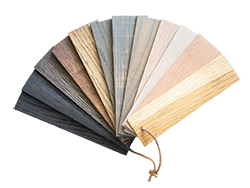


Timber floors add warmth, character, and long-term value to any home—but when they’re installed in high traffic areas, they need a little extra care. Hallways, living rooms, kitchens, and entryways see constant foot traffic, furniture movement, and everyday wear that can quickly take a toll if the floors aren’t properly maintained.
The good news? With the right habits, products, and preventative strategies, timber floors can stay beautiful and durable even in the busiest parts of your home. This guide breaks down everything you need to know to protect your timber flooring where it matters most—without turning maintenance into a full-time job.
Why High Traffic Areas Are Hard on Timber Floors
High traffic zones experience more friction, pressure, and exposure than other parts of the home. Over time, this can lead to:
- Surface scratches and scuff marks
- Dull or uneven finishes
- Compressed timber fibers
- Increased noise from footfalls
- Faster wear around joints and edges
Understanding these risks is the first step toward preventing them.
Choose the Right Finish from the Start
Not all timber finishes perform the same way under heavy use. If your floors are already installed, this section helps you understand what you’re working with. If you’re planning upgrades, it can guide future decisions.
Durable Finishes for Busy Spaces
For high traffic areas, tougher finishes are essential. These include:
- Polyurethane coatings
- Hardwax oils designed for durability
- Multi-layer protective sealants
These finishes create a protective barrier that resists scratches and moisture better than softer options.
Tip: Matte or satin finishes tend to hide wear better than high-gloss surfaces.
Establish a Simple Daily & Weekly Cleaning Routine
Consistency matters more than intensity when it comes to timber floor care.
Daily or Every-Other-Day Habits
Dust, dirt, and grit are the biggest enemies of timber floors. Tiny particles act like sandpaper under shoes and paws.
- Sweep with a soft broom, or
- Vacuum using a hard-floor setting
Pay extra attention to entryways and hallways where debris builds up quickly.
Weekly Cleaning
Once a week, damp-clean the floors using:
- A microfiber mop
- A timber-safe, pH-neutral cleaner
- Minimal water
Avoid soaking the floor—excess moisture can seep into joints and cause swelling or warping.
Protect Floors Before Damage Happens
Prevention is far easier (and cheaper) than repair.
Use Mats and Rugs Strategically
Place mats:
- At all entrances
- In hallways
- Near kitchen sinks and prep areas
These catch dirt before it reaches the timber. Make sure mats have non-slip, breathable backings that won’t trap moisture.

Furniture Protection Is Non-Negotiable
Chairs, tables, and sofas constantly shift, especially in living areas. Without protection, they can cause deep scratches over time.
- Use felt pads on all furniture legs
- Replace pads every few months
- Lift furniture when moving—never drag
Manage Foot Traffic Smartly
You can’t eliminate traffic, but you can reduce its impact.
Shoes-Off (or Shoes-Smart) Policies
Shoes track in grit, moisture, and small stones. If a shoes-off rule isn’t realistic, encourage:
- Indoor-only footwear
- Cleaning mats at the door
High heels and hard soles are especially tough on timber.
Rotate Rugs and Furniture
Rotating rugs every few months helps prevent uneven fading and wear. The same goes for occasionally rearranging furniture layouts—this distributes pressure more evenly across the floor.
Control Noise and Impact in Busy Areas
Timber floors in high traffic zones often get louder over time, especially in multi-level homes.
Footsteps, echoes, and vibration can increase as boards flex under frequent use. Many homeowners start researching how to soundproof a floor only after noise becomes an issue—but preventative steps work best.
These include:
- Using rugs and runners
- Installing acoustic underlays during renovations
- Addressing loose boards early
If you’re renovating or upgrading adjacent flooring, choosing the right materials underneath—such as underlay for hybrid flooring—can significantly reduce noise transfer between levels.
Seasonal Care Matters More Than You Think
Timber naturally expands and contracts with temperature and humidity changes. High traffic areas feel this movement first.
Monitor Indoor Humidity
Extreme dryness can cause gaps, while high humidity can lead to cupping or swelling.
Aim for:
- Consistent indoor conditions
- Proper ventilation
- Dehumidifiers or humidifiers if needed
Seasonal stability helps timber floors maintain their shape and integrity.
Handle Scratches and Wear Early
In busy zones, small marks are inevitable—but ignoring them allows damage to spread.
Minor Scratches
For light surface scratches:
- Use manufacturer-recommended repair kits
- Apply timber polish or touch-up products
- Avoid DIY fixes that don’t match the finish
Deeper Damage
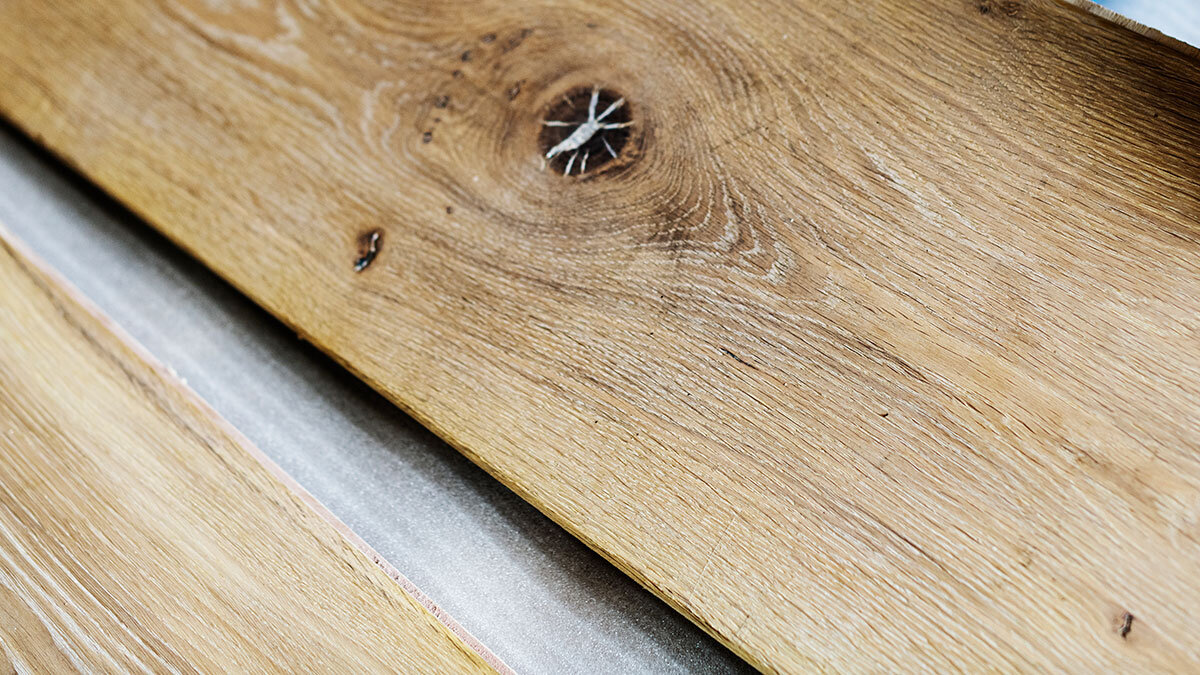
If boards are dented, cracked, or heavily worn in specific areas, professional assessment is important. Localised timber floor repair can often restore damaged sections without sanding the entire floor, especially when issues are addressed early.
Refresh the Finish When Needed
High traffic areas wear faster than bedrooms or spare rooms. Over time, the protective finish may thin, even if the timber underneath is still in good condition.
Signs it’s time to refresh include:
- Dull patches that don’t improve with cleaning
- Increased scratch visibility
- Reduced water resistance
Recoating or buffing can restore protection and appearance without a full sanding process.
Common Mistakes to Avoid in Busy Areas
Even well-intentioned homeowners can unintentionally shorten the life of their timber floors. Avoid these common mistakes:
- Using harsh or multi-purpose cleaners
- Steam cleaning timber floors
- Letting water sit on the surface
- Ignoring early signs of wear
- Overlooking noise and movement
Timber floors reward proactive care.
A Simple Maintenance Checklist for High Traffic Zones
Here’s an easy routine you can actually stick to:
Daily / Every 2 Days
- Sweep or vacuum key areas
Weekly
- Damp mop with timber-safe cleaner
Monthly
- Check furniture pads and mats
- Inspect for scratches or movement
Seasonally
- Monitor humidity
- Rotate rugs and furniture
As Needed
- Refresh finishes
- Address noise or wear early
Final Thoughts
Timber floors in high traffic areas don’t need constant attention—but they do need smart, consistent care. By focusing on prevention, gentle cleaning, and early intervention, you can protect your floors from premature wear and keep them looking beautiful for decades.
Busy homes don’t have to mean worn-out floors. With the right approach, timber flooring can handle daily life—and still make a strong design statement in the most-used spaces of your home.
 Hybrid Flooring
 Timber Flooring
 Laminate Flooring
 Cork Flooring
 Carpet Tiles