




Noise is one of the most common comfort issues in modern homes. Whether it’s footsteps from upstairs, echoes in open plan living areas, or sound travelling between rooms, poor floor soundproofing can quickly become frustrating. The good news is that with the right materials, techniques, and planning, floors can be significantly quieter and more comfortable.
This guide explains how to soundproof your floors, what causes noise problems, the best materials to use, and practical solutions for both new builds and existing homes.
Understanding Floor Noise
Before choosing a solution, it’s important to understand where noise comes from. Floor noise generally falls into two categories.
Impact Noise
Impact noise is caused by physical contact with the floor:
-
Footsteps
-
Dropped objects
-
Furniture movement
This is the most common complaint in multi level homes and apartments.
Airborne Noise
Airborne noise travels through the air and passes through flooring structures:
-
Voices
-
Music
-
Television sound
Effective soundproofing addresses both types.
Why Floors Transmit So Much Sound
Floors act like soundboards. Hard surfaces reflect sound rather than absorb it, while gaps, hollow spaces, and poor underlay allow noise to travel freely between levels.
Common causes of poor sound insulation include:
-
Hard flooring without acoustic underlay
-
Thin subfloors
-
Floating floors with no sound barrier
-
Poor installation
Soundproofing focuses on absorbing vibration and blocking sound transmission.
Best Flooring Types for Sound Reduction
Some flooring materials naturally perform better acoustically than others.
Carpet
Carpet is one of the best sound absorbing floor coverings.
-
Reduces impact noise significantly
-
Absorbs airborne sound
-
Ideal for bedrooms and upper floors
Using quality underlay further improves performance.
Vinyl Flooring
Luxury vinyl plank and sheet vinyl are quieter than many hard surfaces.
-
Softer underfoot
-
Less sound reflection
-
Compatible with acoustic underlay
Vinyl is a popular balance between durability and noise reduction.
Hybrid Flooring
Hybrid flooring offers better sound performance than laminate when installed with proper underlay.
-
Dense core reduces vibration
-
Waterproof and durable
-
Good for busy households
Acoustic rated underlay is essential for best results.
The Importance of Acoustic Underlay
Underlay plays a bigger role in soundproofing than the flooring itself.
Benefits of Acoustic Underlay:
-
Absorbs impact vibration
-
Reduces sound transfer between levels
-
Improves walking comfort
Not all underlays are equal. Look for products with tested acoustic ratings rather than basic foam options.

Soundproofing Existing Floors
You don’t always need to replace flooring to reduce noise.
Solutions for Existing Floors:
-
Add rugs or runners
-
Install acoustic mats under floating floors
-
Use soundproof underlay during upgrades
-
Seal gaps and joints
Even small improvements can noticeably reduce noise levels.
Soundproofing Upstairs Floors
Upstairs noise is one of the biggest complaints in multi level homes.
Best practices:
-
Use carpet or vinyl upstairs
-
Install thick acoustic underlay
-
Avoid hard flooring without sound insulation
Soundproofing upstairs floors improves comfort for the entire home.
Soundproofing Apartments and Units
Apartments often have strict noise regulations.
Key considerations:
-
Building acoustic requirements
-
Minimum sound ratings
-
Approved underlay systems
Choosing professionally tested flooring systems ensures compliance and avoids future disputes.
Installation Mistakes That Reduce Soundproofing
Even good materials fail if installed incorrectly.
Common mistakes include:
-
Skipping underlay
-
Incorrect expansion gaps
-
Hard contact between flooring and walls
-
Poor subfloor preparation
Professional installation makes a significant difference to acoustic performance.
Soundproofing and Open Plan Living
Open plan spaces amplify sound due to fewer barriers.
Helpful strategies:
-
Use rugs in seating areas
-
Choose textured or matte flooring
-
Combine soft furnishings with acoustic flooring
Floor soundproofing works best as part of an overall acoustic plan.
Balancing Soundproofing With Style
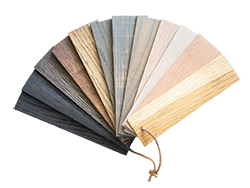
Many homeowners worry that soundproof flooring limits design choices. Modern materials now offer:
-
Realistic timber looks
-
Neutral color options
-
Stylish finishes with acoustic benefits
You no longer need to sacrifice aesthetics for comfort.
Long Term Benefits of Soundproof Flooring
Soundproof floors provide:
-
Improved comfort
-
Reduced noise stress
-
Better privacy
-
Higher property appeal
They’re a worthwhile investment for long term living quality.
Choosing the Right Solution
The best soundproofing approach depends on:
-
Floor level
-
Room function
-
Existing structure
-
Budget
Consulting specialists in flooring in Melbourne can help identify products that meet both acoustic and lifestyle needs.
Final Thoughts on Soundproofing Floors
Soundproofing your floors is one of the most effective ways to improve daily comfort. Whether you’re reducing footsteps, echoes, or sound transfer between levels, the right flooring, underlay, and installation approach can transform how your home feels.
By understanding noise sources and choosing materials designed for acoustic performance, you can create quieter, more peaceful living spaces without compromising style or durability.
 Hybrid Flooring
 Timber Flooring
 Laminate Flooring
 Cork Flooring
 Carpet Tiles