


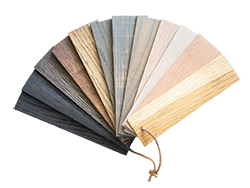


Flooring is one of the most important design elements in any home, yet it’s often chosen last. The wrong flooring can clash with furniture, overwhelm a space, or date an otherwise beautiful interior. The right flooring, however, ties everything together creating balance, flow, and a cohesive look that feels intentional and timeless.
Whether you’re renovating, building, or refreshing your interiors, understanding how to match flooring with interior design will help you make confident decisions. This guide explains how flooring interacts with color, texture, layout, and design styles, and how to choose the best option for each space in your home.
Why Flooring Plays a Key Role in Interior Design
Flooring covers the largest surface area in a home. Unlike furniture or décor, it’s not easily changed, which means it sets the foundation for your entire interior design.
Good flooring:
-
Anchors the overall style of the home
-
Influences how light or spacious a room feels
-
Connects rooms visually
-
Supports furniture, wall colors, and décor
When flooring and interior design work together, the home feels balanced and thoughtfully designed rather than pieced together.
Start With Your Interior Design Style
Before choosing flooring, identify your interior design style. Flooring should support the style, not compete with it.
Modern and Contemporary Interiors
Modern spaces favor clean lines, minimal clutter, and simple color palettes.
Best flooring choices:
-
Wide plank timber-look flooring
-
Hybrid or luxury vinyl planks
-
Matte or low sheen finishes
-
Neutral tones such as light oak, warm beige, or soft grey
Avoid overly busy patterns or high gloss finishes, which can disrupt the clean aesthetic.
Scandinavian Style
Scandinavian interiors focus on light, warmth, and simplicity.
Best flooring choices:
-
Light timber tones
-
Natural textures
-
Matte finishes
-
Pale oak or ash colors
Flooring should enhance brightness and create a calm, airy feel.
Classic and Traditional Interiors
Traditional interiors benefit from warmth, elegance, and timeless materials.
Best flooring choices:
-
Engineered timber
-
Medium to dark wood tones
-
Subtle grain patterns
Classic plank layouts work better than trendy patterns for long term appeal.
Industrial Style
Industrial interiors are inspired by warehouses and urban spaces.
Best flooring choices:
-
Concrete look tiles
-
Dark timber or timber look flooring
-
Textured finishes
These flooring options complement exposed brick, metal, and raw materials.
Coastal and Hamptons Style
Coastal interiors aim for relaxed, light filled spaces.
Best flooring choices:
-
Light, natural timber tones
-
Whitewashed or blonde finishes
-
Hybrid or engineered timber
Avoid heavy, dark floors that can weigh the space down.
Matching Flooring Color With Interior Design
Color is one of the most important aspects of flooring selection.
Light Flooring
Light floors create an open and spacious feel.
Works best for:
-
Small rooms
-
Minimalist or Scandinavian interiors
-
Homes with limited natural light
Light flooring pairs well with neutral walls, soft furnishings, and natural textures.
Medium-Tone Flooring
Medium tones offer balance and versatility.
Works best for:
-
Open plan living
-
Family homes
-
Transitional interiors
These floors are forgiving, hide dust well, and suit a wide range of décor styles.
Dark Flooring
Dark floors create drama and contrast.
Works best for:
-
Large rooms
-
Spaces with plenty of natural light
-
Modern or classic interiors
To avoid making the room feel heavy, balance dark floors with lighter walls and furnishings.
Choosing Flooring Based on Room Function
Interior design isn’t just about style it’s also about function. Flooring should match how each room is used.
Living Areas
Living rooms and open plan areas need flooring that balances style and durability.
Recommended options:
-
Hybrid flooring
-
Engineered timber
-
Luxury vinyl planks
Choose consistent flooring across connected spaces to improve flow and visual continuity.
Kitchens
Kitchens require flooring that handles spills, heat, and foot traffic.
Recommended options:
-
Waterproof hybrid flooring
-
Luxury vinyl
-
Tiles
Timber look waterproof flooring maintains design consistency while offering practicality.
Bedrooms
Bedrooms benefit from warmth and comfort.
Recommended options:
-
Laminate flooring
-
Vinyl planks
-
Engineered timber
Lighter tones help create a calm and restful environment.
Bathrooms and Laundries
Moisture resistance is essential in wet areas.
Recommended options:
-
Tiles
-
Waterproof vinyl
-
Hybrid flooring designed for wet zones
Slip resistant finishes are important for safety.
Flooring Texture and Finish in Interior Design
The finish of your flooring affects both appearance and practicality.
Matte and Low Sheen Finishes
These finishes are increasingly popular because they:
-
Look natural
-
Reduce glare
-
Hide scratches and dust
They suit most interior styles and are ideal for busy households.
Glossy Finishes
Glossy floors reflect light but can highlight imperfections.
Best suited for:
-
Low traffic areas
-
Formal interiors
They require more maintenance and are less forgiving.
Textured Flooring
Textured floors add depth and realism.
Benefits include:
-
Improved slip resistance
-
Better camouflage for wear
-
More natural appearance
Textured finishes work well in family homes and high traffic spaces.
Matching Flooring With Furniture and Décor
Flooring should complement furniture rather than compete with it.
With Light Furniture
-
Medium or dark floors add contrast
-
Natural wood tones create balance
With Dark Furniture
-
Light or medium floors prevent the space from feeling heavy
With Bold Décor
-
Neutral flooring helps ground the space
-
Avoid busy floor patterns
When in doubt, choose flooring that fades into the background rather than dominating the room.
Open Plan Living: Creating Flow With Flooring
Open plan layouts benefit greatly from thoughtful flooring choices.
Tips for success:
-
Use the same flooring throughout the space
-
Avoid abrupt material changes
-
Choose neutral tones that suit all zones
Consistent flooring visually connects areas and makes the space feel larger and more cohesive.

Trend vs Timeless Design
While trends are tempting, flooring should have long term appeal.
Timeless flooring features:
-
Neutral colors
-
Natural textures
-
Simple plank or tile layouts
-
Durable materials
Trendy patterns and colors may look dated quickly, especially in flooring that’s expensive to replace.
Mistakes to Avoid When Matching Flooring With Design
Common mistakes include:
-
Choosing flooring without considering furniture
-
Using too many flooring types
-
Ignoring lighting conditions
-
Prioritizing trends over practicality
Flooring decisions should always consider the whole space, not just the floor itself.
Using Flooring to Change How a Space Feels
Flooring can visually alter a room’s proportions.
-
Wide planks make rooms feel larger
-
Lighter floors brighten dark spaces
-
Consistent flooring improves flow
-
Diagonal or patterned layouts add visual interest
These design techniques can enhance both aesthetics and functionality.
Final Thoughts: Flooring as the Foundation of Interior Design
Matching flooring with interior design is about balance, harmony, and practicality. The best flooring choices support your design style, complement furniture and colors, and suit how each room is used.
By focusing on neutral tones, durable materials, and finishes that age well, you can create interiors that feel cohesive and timeless. Flooring should quietly elevate your design not overpower it forming a strong foundation for a beautiful and functional home.
 Hybrid Flooring
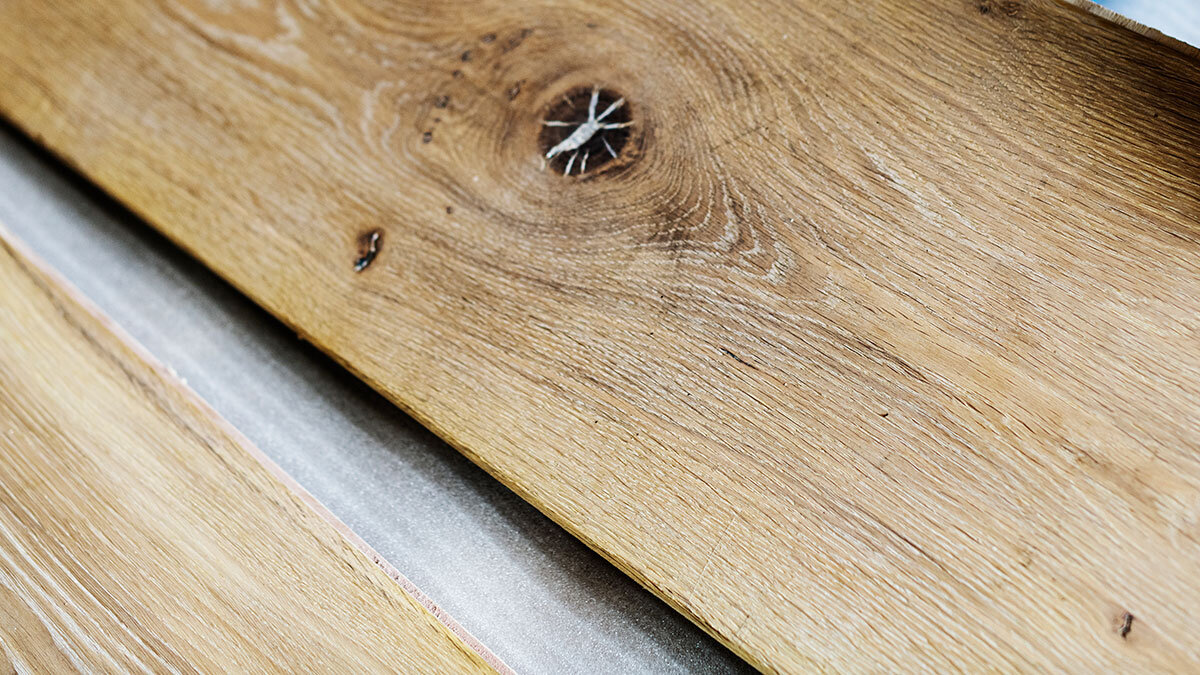 Timber Flooring
 Laminate Flooring
 Cork Flooring
 Carpet Tiles