


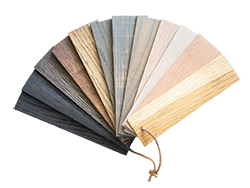


Few home upgrades transform a space as dramatically as new flooring. Among all the options, hardwood floors remain one of the most sought after. They bring natural beauty, warmth, and long lasting value to any room. Still, not every hardwood is the same. Each species has its own strengths, weaknesses, and cost considerations.
In this article, we’ll explore the most popular woods for flooring, breaking down their pros, cons, and costs so you can confidently select the right one for your home.
Why Homeowners Love Hardwood Flooring
Hardwood is more than just a pretty face. It’s durable, versatile, and adds long-term value to your home. Hardwood can last for decades when properly cared for, and it comes in countless finishes and colors to match any style. Whether you love rustic charm, modern minimalism, or classic elegance, there’s a hardwood to suit your design.
But before you choose, it’s important to understand how each wood type behaves. Some are exceptionally tough and great for busy families, while others lean more toward luxury and visual impact.
Oak Flooring
Oak is by far the most popular hardwood flooring option and for good reason. It’s durable, classic, and works with virtually any design style. Oak’s grain pattern is distinct enough to add character, but not so bold that it overwhelms a room.
Pros: Oak is strong, long lasting, and stains beautifully in many colors. It adapts well to both traditional and modern interiors.
Cons: Because it’s so common, it doesn’t feel as exclusive as other woods. It also isn’t the best choice for damp or humid environments.
Costs: Oak is considered an affordable to mid range wood. It delivers excellent durability without leaning into premium territory, making it a practical all-purpose choice.
Maple Flooring
Maple has a smooth, subtle grain that feels sleek and contemporary. Its naturally light color brightens up rooms, which is perfect for smaller spaces or modern homes.
Pros: Maple is harder than oak, giving it strong resistance to dents and scratches. Its pale tone creates an airy, open feel.
Cons: It doesn’t absorb stain evenly, which can lead to blotchy finishes. Over time, maple may also take on a yellowish tint if exposed to direct sunlight.
Costs: Maple sits comfortably in the mid-range category. It’s a great choice for homeowners who want both style and strength without stepping into luxury-level expenses.
Hickory Flooring
Hickory is a powerhouse of durability. It’s one of the hardest domestic woods, making it an ideal pick for households with kids, pets, or heavy foot traffic. Its bold grain and color variations give it a rustic, natural character.
Pros: Nearly unmatched in toughness, hickory can withstand years of wear. The striking grain adds personality and makes scratches less noticeable.
Cons: The bold look isn’t for everyone some find its variation too busy. Its density also makes installation trickier.
Costs: Hickory falls into the mid to premium range. While not the cheapest option, it’s a smart long term investment if durability is your top priority.
Cherry Flooring
Cherry flooring is prized for its rich, reddish brown hue that deepens beautifully with age. It has a smooth, refined grain that lends a sense of elegance and warmth.
Pros: Cherry’s natural color and fine grain create a sophisticated, high end appearance. It’s especially well suited to formal living and dining spaces.
Cons: Cherry is softer than oak or maple, so it dents and scratches more easily. It’s also sensitive to sunlight, darkening noticeably over time.
Costs: Cherry belongs to the premium category. While it requires more careful maintenance, many homeowners consider its luxurious look worth the investment.
Walnut Flooring
For those seeking dramatic, rich tones, walnut is a favorite. Its deep chocolate brown coloring and smooth grain create an atmosphere of warmth and sophistication.
Pros: Walnut is visually striking and less common than oak, so it brings a unique, upscale touch to interiors. Its grain is smooth and uniform, adding to its elegance.
Cons: Walnut is softer than some alternatives, meaning it’s more prone to scratches. It also tends to be costlier than other domestic hardwoods.
Costs: Walnut is considered a premium wood choice. It’s ideal for luxury spaces where aesthetics are more important than maximum durability.
Bamboo Flooring (A Sustainable Alternative)
Though technically a grass, bamboo has become a popular flooring material. It offers a sleek look and is often chosen for eco friendly builds. Strand-woven bamboo, in particular, is extremely hard and durable.
Pros: Bamboo grows quickly, making it an environmentally sustainable option. It provides a clean, modern appearance and, depending on type, can be harder than many traditional woods.
Cons: Bamboo can be sensitive to humidity and may swell or warp in damp conditions. Quality varies by manufacturer, so careful selection is important.
Costs: Bamboo ranges from affordable to mid level in cost. It’s budget friendly compared to some hardwoods, though premium varieties can approach the higher end.
Ash Flooring
Ash is lighter in color, often with a creamy tone that resembles maple. It’s durable, shock resistant, and perfect for busy households that want a floor that stands up to daily life.
Pros: Ash brightens up rooms with its pale tones, while its toughness makes it family friendly. It’s also more budget conscious compared to other hardwoods.
Cons: Less widely available than oak or maple. Like other lighter woods, ash can darken over time with prolonged sunlight exposure.
Costs: Ash is usually considered an affordable hardwood, making it a smart choice for those wanting durability at a lower cost.
Comparing Costs Without a Chart
If you’re trying to decide based on budget, here’s a simplified way to think about it:
- Affordable woods include oak and ash, which balance strength and cost-effectiveness. Bamboo can also be affordable, depending on the variety.
- Mid-range options include maple and hickory. They offer excellent durability with a moderate investment.
- Premium woods are cherry and walnut. These are chosen less for toughness and more for their elegance and striking color.
Durability also plays a big role. Hickory and maple top the charts for strength, while walnut and cherry lean more toward luxury and design appeal. Oak offers a solid middle ground, while ash is the quiet workhorse that delivers good performance without a premium tag.
Choosing the Right Wood for Your Floors
To narrow down your choice, think about three main factors:
- Lifestyle: If you have kids, pets, or heavy traffic, durability is crucial. Hickory, maple, or oak are safe bets.
- Design Style: For rustic or traditional looks, oak and hickory shine. For modern minimalism, choose maple, ash, or bamboo. If elegance is the goal, cherry or walnut stand out.
- Budget: Affordable options like oak and ash deliver plenty of durability without a large spend. Mid-range woods balance toughness and style, while premium species provide a luxury feel.
Final Thoughts
Hardwood flooring isn’t just about covering a surface it’s about creating a foundation for your home’s style and daily life. Whether you love the timeless reliability of oak, the sleek brightness of maple, the rustic toughness of hickory, or the elegance of cherry and walnut, there’s a wood that matches your vision.
By weighing the pros, cons, and relative costs of popular wood flooring species, you’ll be able to invest in a floor that not only looks beautiful today but will continue to add warmth and value to your home for decades to come.
 Hybrid Flooring
 Timber Flooring
 Laminate Flooring
 Cork Flooring
 Carpet Tiles