


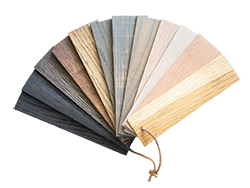


Flooring has traditionally been viewed as a static part of the home chosen once and rarely reconsidered. Today, that perception is changing rapidly. Advances in technology, materials, and smart home integration have transformed flooring into an intelligent, high performance component of modern living spaces. From heated floors controlled by apps to surfaces that resist damage, monitor conditions, and improve sustainability, smart flooring innovations are reshaping how homes function.
This article explores tech and smart flooring innovations, how they work, where they’re used, and why they’re becoming increasingly important in residential and commercial design.
The Evolution of Flooring Technology
For decades, flooring innovation focused mainly on appearance and durability. Recent advancements, however, have introduced:
-
Smart sensors
-
Advanced composite materials
-
Digital manufacturing techniques
-
Integration with home automation systems
These changes have elevated flooring from a passive surface to an active contributor to comfort, safety, and efficiency.
Smart Underfloor Heating Systems
One of the most established smart flooring technologies is underfloor heating. Unlike traditional radiators, underfloor heating distributes warmth evenly across a room from the ground up.
Key technological advancements:
-
App controlled temperature regulation
-
Zoning for individual rooms
-
Energy efficient heating elements
-
Compatibility with smart thermostats
Smart underfloor heating systems learn usage patterns and adjust automatically, improving comfort while reducing energy consumption.
Sensor Integrated Flooring
Sensor technology is beginning to play a role in advanced flooring systems, particularly in high end residential and commercial environments.
What sensors can detect:
-
Foot traffic patterns
-
Temperature changes
-
Moisture levels
-
Structural movement
These systems can provide alerts for leaks, excessive humidity, or unusual activity, helping prevent damage before it becomes costly.
Waterproof and High Performance Hybrid Flooring
Material science has led to the rise of hybrid flooring, a multi layered product combining the best features of vinyl and laminate.
Technological benefits include:
-
100% waterproof cores
-
Enhanced dimensional stability
-
Scratch and impact resistance
-
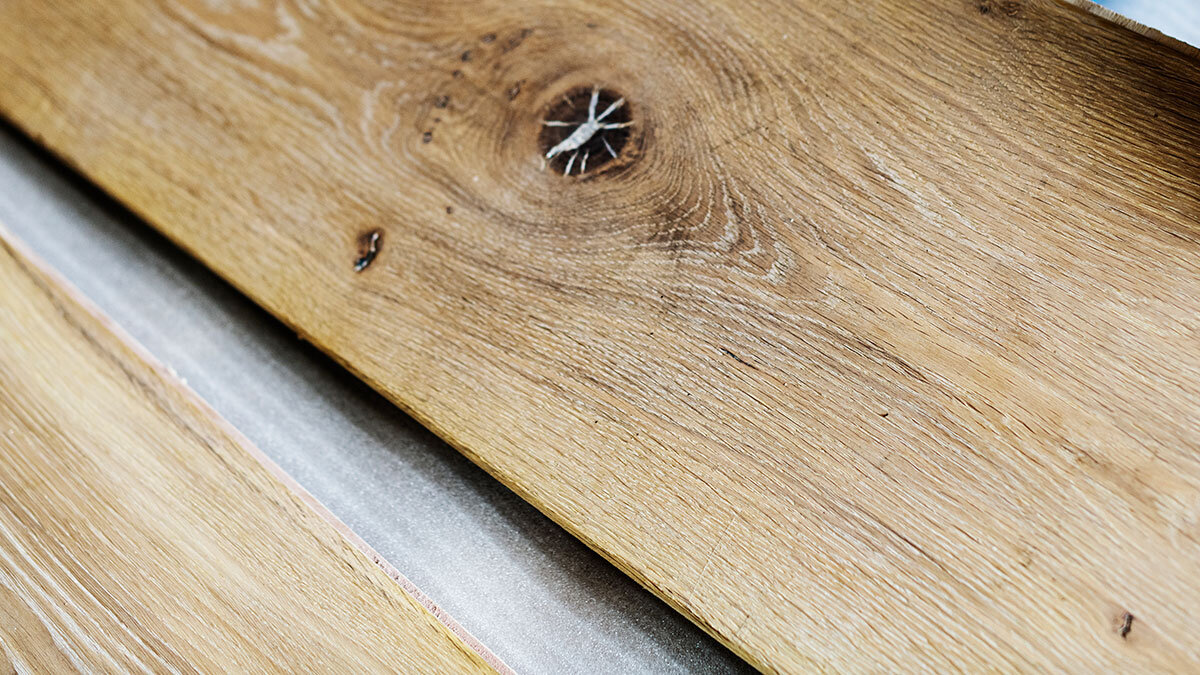
Realistic timber textures
Advanced locking systems allow hybrid flooring to float without adhesives, improving installation accuracy and long term performance.
Digital Printing and Realistic Surface Technology
One of the biggest breakthroughs in flooring aesthetics comes from high definition digital printing.
Modern printing technology allows:
-
Highly realistic timber and stone visuals
-
Deep texture synchronization
-
Consistent pattern quality across planks
These techniques create flooring that looks and feels natural while offering superior durability compared to traditional materials.
Acoustic Flooring Innovations
Noise reduction has become a priority in modern design, particularly in apartments and open plan homes.
Smart acoustic flooring features:
-
Built in sound absorbing underlays
-
Multi layer cores that reduce vibration
-
Improved impact noise ratings
These innovations help create quieter, more comfortable living environments without compromising design.
Self Healing and Scratch Resistant Surfaces
Advances in protective coatings have resulted in floors that actively resist damage.
New surface technologies include:
-
UV cured wear layers
-
Scratch resistant ceramic coatings
-
Self healing polymers that recover from minor marks
These finishes extend the lifespan of flooring and reduce visible wear, especially in high traffic areas.
Smart Flooring and Home Automation Integration
As smart homes become more common, flooring is increasingly designed to integrate with broader automation systems.
Examples of integration:
-
Underfloor heating synced with weather data
-
Lighting systems reacting to foot movement
-
Temperature regulation based on occupancy
These systems enhance energy efficiency and improve daily comfort.
Sustainable and Eco Friendly Flooring Technologies
Technology is also driving sustainability in flooring manufacturing.
Innovations include:
-
Low emission materials
-
Recyclable and reusable components
-
Reduced water and energy consumption during production
Smart manufacturing techniques ensure consistent quality while lowering environmental impact.
Anti Microbial and Health Focused Flooring
Health conscious design has accelerated the development of flooring with hygienic properties.
Advanced features include:
-
Anti microbial surface treatments
-
Moisture resistant cores that prevent mould growth
-
Easy to clean finishes
These technologies are particularly valuable in homes with children, pets, or allergy concerns.
Heated, Cooled, and Climate Responsive Floors
Beyond heating, climate responsive flooring is emerging as a future innovation.
Potential capabilities:
-
Cooling effects in warm climates
-
Temperature regulation based on room usage
-
Integration with HVAC systems
These developments aim to make flooring in Melbourne an active climate management tool.

Smart Installation Systems
Installation technology has improved significantly, reducing errors and increasing precision.
Modern systems feature:
-
Click lock mechanisms
-
Built in expansion tolerance
-
Alignment guides
These innovations ensure better performance and reduce the risk of installation related issues.
Commercial Applications Leading Residential Adoption
Many smart flooring technologies originate in commercial spaces such as hospitals, offices, and retail environments.
Commercial innovations include:
-
Load bearing smart tiles
-
Wayfinding flooring systems
-
Wear monitoring surfaces
As costs decrease, these technologies are gradually entering residential homes.
The Role of Flooring Data and Analytics
In advanced environments, flooring systems can collect usage data.
Possible insights include:
-
High traffic zones
-
Maintenance needs
-
Wear patterns
This information helps optimize cleaning schedules, furniture placement, and long term maintenance strategies.
Challenges and Limitations of Smart Flooring
Despite rapid innovation, smart flooring still faces challenges.
Common limitations:
-
Higher upfront costs
-
Installation complexity
-
Limited availability of advanced systems
As technology matures, these barriers are expected to decrease.
Future Trends in Smart Flooring
The future of flooring technology points toward greater integration, intelligence, and adaptability.
Expected developments:
-
More affordable smart materials
-
AI driven climate adjustment
-
Enhanced sustainability standards
-
Greater compatibility with smart home ecosystems
Flooring will continue to evolve from a passive surface into a dynamic element of interior design.
Is Smart Flooring Worth It?
Smart flooring isn’t necessary for every home, but it offers significant advantages where comfort, durability, and efficiency matter.
Ideal candidates include:
-
New builds
-
Renovations with long term planning
-
Energy conscious households
-
High traffic environments
When chosen thoughtfully, smart flooring can improve daily living while protecting long term investment.
Final Thoughts: Flooring Meets Technology
Tech and smart flooring innovations are redefining what floors can do. No longer limited to aesthetics and durability, modern flooring can respond to temperature, reduce noise, resist damage, and integrate seamlessly with smart homes.
As technology continues to advance, flooring will play a larger role in comfort, efficiency, and sustainability. For homeowners and designers alike, understanding these innovations helps future proof spaces and unlock the full potential beneath your feet.
 Hybrid Flooring
 Timber Flooring
 Laminate Flooring
 Cork Flooring
 Carpet Tiles