




Melbourne is famous for its “four seasons in one day” weather. While that makes the city unique and vibrant, it also creates challenges for homeowners—especially when it comes to choosing the right flooring. Temperature fluctuations, humidity changes, and seasonal moisture can all affect how different flooring materials perform over time.
If you’re building, renovating, or replacing old floors, understanding how Melbourne’s climate impacts flooring is essential. The right choice can mean years of comfort and durability, while the wrong one may lead to warping, swelling, gaps, or costly repairs.
In this guide, we’ll explore the flooring options that work best in Melbourne’s climate, explain why some materials perform better than others, and help you choose flooring that suits both your home and lifestyle.
Understanding Melbourne’s Climate and Its Impact on Flooring
Melbourne experiences a temperate oceanic climate, which means:
- Warm to hot summers
- Cool, sometimes damp winters
- Frequent temperature changes
- Varying humidity levels throughout the year
These conditions cause many building materials to expand and contract. Flooring is especially vulnerable because it covers large surface areas and is directly affected by indoor temperature, moisture, and foot traffic.
The best flooring for Melbourne homes is one that:
- Handles humidity changes well
- Resists moisture and temperature fluctuations
- Remains stable year-round
- Requires minimal maintenance
Hybrid Flooring: One of the Best All-Round Choices
Hybrid flooring has become extremely popular in Melbourne—and for good reason.
Why hybrid flooring works well in Melbourne
Hybrid flooring combines the best features of laminate and vinyl. It has a rigid core that resists expansion and contraction, making it ideal for homes exposed to temperature changes.
Key benefits include:
- Excellent water resistance
- High durability
- Stable performance in changing climates
- Easy maintenance
- Stylish timber-look designs
Because Melbourne homes often experience cold winters and warm summers, hybrid flooring’s ability to stay dimensionally stable makes it one of the safest long-term choices.
Best areas for hybrid flooring
- Living rooms
- Kitchens
- Hallways
- Dining areas
- Apartments and townhouses
Engineered Timber Flooring: Natural Look with Better Stability
Many homeowners love the warmth and character of timber flooring, but solid timber can struggle with Melbourne’s fluctuating climate. That’s where engineered timber comes in.
Why engineered timber performs better
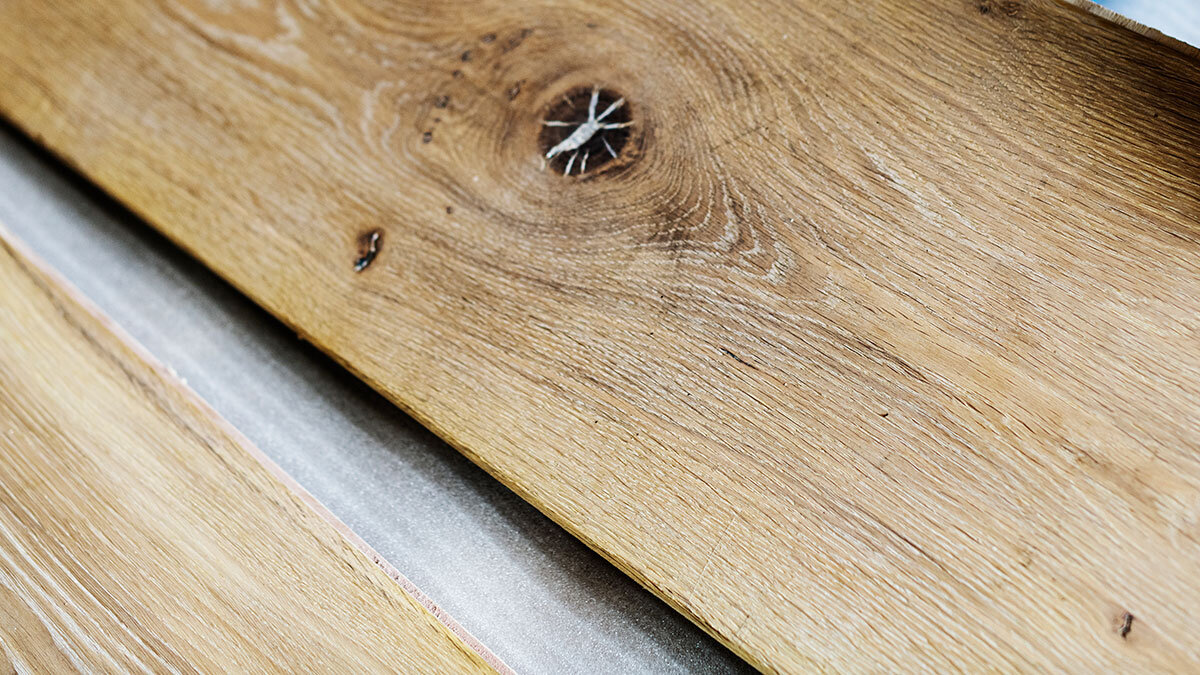
Engineered timber is made from layers of wood pressed together, with a real timber surface layer on top. This construction improves stability while maintaining the natural beauty of wood.
Benefits include:
- Less movement than solid timber
- Suitable for Melbourne’s humidity changes
- Authentic timber appearance
- Long lifespan when properly maintained
For homeowners who want timber without the risks associated with solid hardwood, working with experienced wood flooring contractors can ensure the right product selection and correct installation.
Best areas for engineered timber
- Living rooms
- Bedrooms
- Dining rooms
- Home offices
Vinyl Flooring: Moisture-Resistant and Comfortable
Vinyl flooring is another strong performer in Melbourne’s climate, particularly in areas exposed to moisture.
Why vinyl is climate-friendly
Modern vinyl flooring is designed to handle humidity, spills, and temperature variations with ease. It doesn’t expand or contract like natural timber and provides a softer feel underfoot.
Benefits include:
- High water resistance
- Easy cleaning
- Comfortable and quiet
- Budget-friendly
- Suitable for year-round performance
Best areas for vinyl flooring
- Kitchens
- Bathrooms
- Laundries
- Basements
- Rental properties
Vinyl is especially popular in family homes where durability and ease of maintenance are priorities.
Laminate Flooring: A Cost-Effective Option with Limitations
Laminate flooring can work well in Melbourne homes, but it requires careful consideration.
Pros and cons in Melbourne’s climate
Laminate flooring performs best in temperature-controlled environments. While modern laminate products are more moisture-resistant than older versions, they are still not fully waterproof.
Pros:
- Affordable
- Stylish designs
- Easy installation
- Scratch-resistant surface
Cons:
- Sensitive to excess moisture
- Requires proper subfloor preparation
- Not ideal for wet areas
Best areas for laminate flooring
- Bedrooms
- Living areas
- Home offices
Laminate can be a great option when installed correctly and kept away from high-moisture zones.

Solid Timber Flooring: Beautiful but Climate-Sensitive
Solid timber flooring is timeless and adds significant value to a home, but Melbourne’s climate can make it a challenging choice.
Climate challenges for solid timber
Natural timber expands and contracts with humidity changes. In Melbourne, this can lead to:
- Gaps in winter
- Swelling in summer
- Cupping or warping
- Increased maintenance needs
That doesn’t mean solid timber is impossible—but it does require expert installation, acclimatisation, and ongoing care.
When solid timber can work
- Well-insulated homes
- Stable indoor environments
- Areas away from moisture
- Homes with climate control
In suburbs like Craigieburn, maintaining timber floors through services such as floor sanding Craigieburn can help extend their life and keep them looking their best.
Tile Flooring: Excellent for Moisture but Less Comfortable
Tiles are extremely resistant to moisture and temperature changes, making them a reliable option in Melbourne homes.
Benefits of tiles
- Waterproof
- Long-lasting
- Easy to clean
- Ideal for wet areas
Drawbacks
- Cold underfoot in winter
- Hard surface
- Less sound absorption
Best areas for tiles
- Bathrooms
- Laundries
- Kitchens
- Entryways
Many Melbourne homeowners combine tiles with rugs or underfloor heating to improve comfort during colder months.
Carpet: Comfortable but Climate-Dependent
Carpet remains popular in Melbourne, particularly for bedrooms.
How carpet performs in Melbourne
Carpet provides warmth during cold winters and adds comfort underfoot. However, it can be affected by humidity if ventilation is poor.
Pros:
- Warm and soft
- Good insulation
- Noise reduction
- Comfortable for winter
Cons:
- Can trap moisture
- Requires regular cleaning
- Not suitable for wet areas
Best areas for carpet
- Bedrooms
- Living rooms
- Home offices
Choosing quality underlay and maintaining proper ventilation helps carpet perform better year-round.
Choosing the Right Flooring for Your Melbourne Home
When deciding which flooring works best for your home, consider:
- Your home’s insulation and ventilation
- Areas exposed to moisture
- Foot traffic levels
- Maintenance preferences
- Long-term durability
Melbourne’s climate rewards flooring that is stable, moisture-resistant, and professionally installed. Cutting corners during installation or choosing unsuitable materials often leads to costly repairs down the track.
Final Thoughts
Melbourne’s unique climate plays a major role in how flooring performs over time. While there’s no single “perfect” option for every home, hybrid flooring, engineered timber, vinyl, and tiles consistently perform well in local conditions.
The key is matching the right flooring to the right room, ensuring proper installation, and choosing materials designed to handle temperature and humidity changes. With the right planning and expert guidance, your flooring can stay beautiful, comfortable, and durable for many years to come.
 Hybrid Flooring
 Timber Flooring
 Laminate Flooring
 Cork Flooring
 Carpet Tiles