


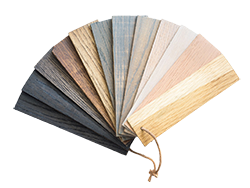


Choosing wood flooring for your home is one of the most rewarding upgrades you can make. Whether you love the warm character of solid timber, the durability of engineered wood, or the practicality of hybrid and vinyl alternatives, the right flooring can completely transform a space. But with so many options, finishes, and installation methods, it’s easy to make mistakes, some of which can cost you time, money, and long-term satisfaction.
To help you choose the best flooring for your lifestyle, budget, and home, here are the top 10 mistakes to avoid when choosing wood flooring.
1. Not Considering Your Lifestyle and Daily Habits
One of the biggest mistakes people make is choosing flooring based solely on appearance. Your floor needs to match your lifestyle just as much as your design preferences.
- Have kids or pets? Look for scratch-resistant options like hybrid, vinyl plank, or strand-woven bamboo.
- High foot traffic? Engineered timber or tough hybrid planks hold up better than softer wood.
- Do you entertain often? Choose a flooring that’s easy to clean and resistant to spills.
If you don’t consider how you use your home, even the most beautiful flooring can become a hassle to maintain.
2. Ignoring Moisture Levels in Your Home
Wood products and moisture don’t mix—and ignoring this can lead to warping, swelling, or cupping.
High moisture areas include:
- Bathrooms
- Laundry rooms
- Basements
- Coastal or humid climates
In these locations, real wood is rarely the best choice. Instead, homeowners should consider:
- Hybrid flooring (100% waterproof)
- Vinyl plank (excellent water resistance)
- Tile-look flooring for wet rooms
Even in living areas, it’s important to ensure proper subfloor moisture levels before installation. Skipping this step can cause long-term damage.
3. Choosing Based Only on Price
Budget is important, but choosing the cheapest flooring often leads to higher long-term costs. Low-cost wood products may:
- Scratch more easily
- Fade quickly
- Have weak click-lock systems
- Be difficult to repair
- Contain fewer surface layers (for engineered timber)
Instead, look for the best value, not the lowest price. Spending a bit more upfront often means better durability and fewer repairs later.
4. Overlooking Subfloor Preparation
Even the best flooring can fail if installed over an uneven or damaged subfloor. A poorly prepared subfloor can cause:
- Squeaking
- Movement between planks
- Gaps or uneven surfaces
- Premature wear
Before installation, your installer should check for:
- Levelness
- Moisture
- Cracks
- Loose boards (in timber homes)
Proper subfloor preparation is essential for a smooth, long-lasting result.
5. Not Understanding the Difference Between Solid, Engineered, Hybrid, and Vinyl
Each flooring type has its own strengths, weaknesses, and best-use scenarios. Many homeowners choose the wrong product simply because they don’t understand the differences.
Solid Timber
- Longest lifespan
- Can be sanded many times
- Sensitive to moisture
- Higher cost
Engineered Timber
- Real wood surface, stable construction
- Better moisture resistance
- Can be sanded (depending on thickness)
- Great for most homes
Hybrid Flooring
- 100% waterproof
- Durable and scratch-resistant
- Easy DIY installation
- Excellent for kitchens and high-traffic areas
Vinyl Plank
- Affordable
- Very water-resistant
- Soft underfoot
- Good for rentals, family homes, and pets
Bamboo
- Eco-friendly
- Very hard and durable
- Stable in many climates
Choosing the wrong type for your home’s conditions can shorten your flooring’s life dramatically.
6. Forgetting to Consider Lighting and Room Size
Flooring can look completely different under natural or artificial light. Many buyers choose a color they love in the store but end up disappointed once it’s installed at home.
Tips:
- Light wood makes small rooms look bigger.
- Dark wood adds luxury but can show dust more easily.
- Warm tones create coziness, while cool tones suit modern styles.
- Check samples at home during both day and night lighting.
Always view flooring in the actual space to avoid surprises.
7. Neglecting Future Maintenance Needs
Every type of wood flooring has different care requirements. For example:
Solid Timber
- Needs refinishing over time
- Sensitive to humidity and temperature changes
Engineered Wood
- Easier to maintain
- Still requires proper cleaning and humidity control
Hybrid and Vinyl
- Extremely low maintenance
- No sanding or refinishing needed
Many homeowners buy real timber without realizing the long-term commitment it requires. Choosing the wrong product for your willingness to maintain it can become frustrating.
8. Skipping Underlay or Using the Wrong One
The underlay beneath your flooring is often overlooked, but it plays a major role in:
- Sound reduction
- Moisture protection
- Insulation
- Comfort underfoot
- Stability
Different floors require different underlays. For example:
- Hybrid flooring typically needs a thin acoustic underlay.
- Vinyl needs a smooth, flat underlay to avoid telegraphing.
- Engineered timber may require moisture barriers.
Using the wrong underlay can reduce the lifespan of your flooring and void warranties.
9. Not Hiring a Qualified Installer
DIY can be tempting, but wood flooring installation requires skill and precision.
Common DIY mistakes include:
- Poor plank alignment
- Gaps forming over time
- Incorrect expansion gaps
- Damaged click-lock joints
A professional installer ensures:
- Correct subfloor preparation
- Proper expansion spaces
- Professional cutting and fitting
- Warranty protection
For premium flooring like engineered timber or bamboo, hiring an expert is always worth the investment.
10. Forgetting About Transitions, Trims, and Matching Accessories
Many homeowners focus on the floor itself but forget the finishing touches. However, trims, scotia, stair noses, and transitions are essential for a polished look.
Neglecting these can result in:
- Sudden color mismatches
- Visible gaps
- Tripping hazards
- Unprofessional appearance
Always choose accessories that match your flooring perfectly to achieve a seamless finish.
Final Thoughts
Choosing wood flooring is a long-term decision that affects the beauty, comfort, and value of your home. By avoiding these common mistakes—like ignoring moisture levels, choosing based on price alone, or overlooking installation requirements—you can ensure that your flooring looks stunning and performs well for years to come.
Whether you’re considering hybrid, vinyl, bamboo, engineered timber, or traditional hardwood, take the time to evaluate your lifestyle, home environment, and design goals. With the right planning, the perfect floor is well within reach.
 Hybrid Flooring
 Timber Flooring
 Laminate Flooring
 Cork Flooring
 Carpet Tiles